
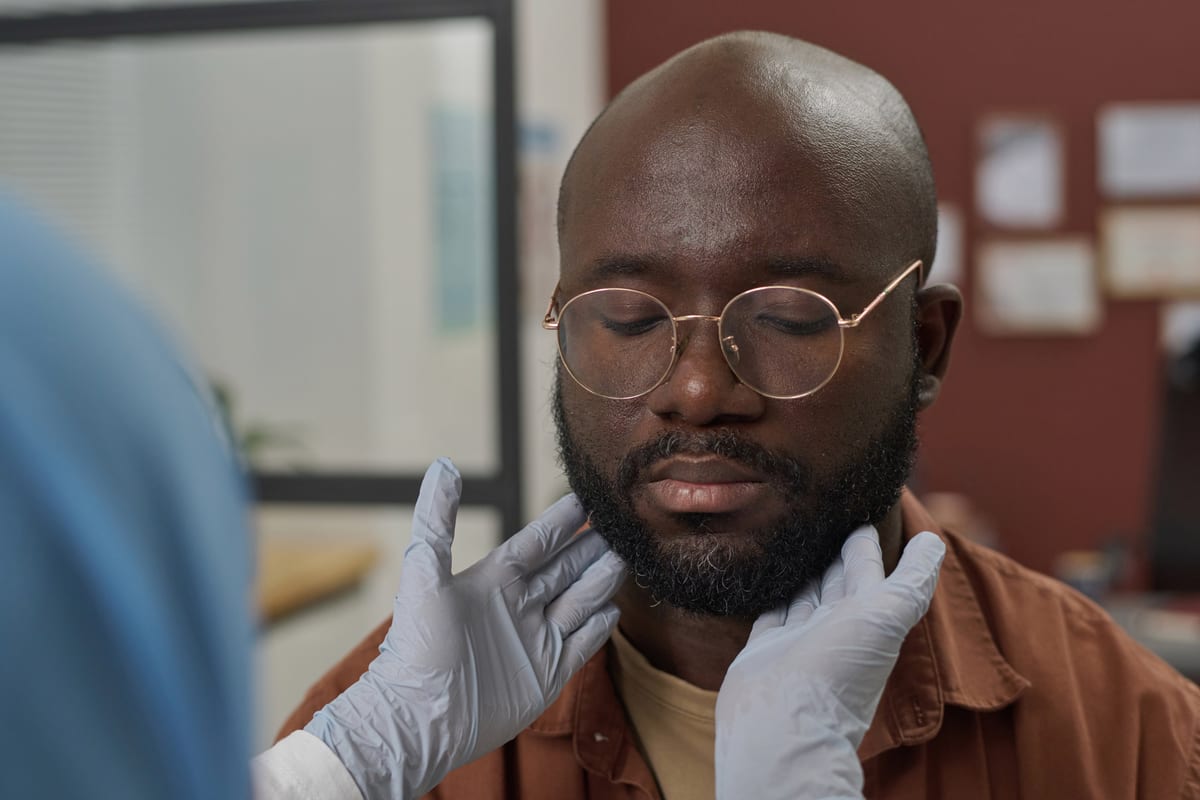
Jaw pain can sneak up on you without warning. Many Lenexa residents dismiss it as stress or sleeping wrong. But the five hidden causes of your jaw pain you might not know in Lenexa often point to something deeper. Understanding these causes is the first step toward lasting relief.
At Lenexa Smiles and Braces, Dr. Caresa Doakes helps patients identify the real source of their discomfort. TMJ disorders affect millions of Americans each year. Knowing what triggers them puts you in control of your oral health.
What Is TMJ and Why Does It Cause Jaw Pain in Lenexa?
Your temporomandibular joint connects your jawbone to your skull. It acts like a sliding hinge on each side of your face. When this joint becomes inflamed or damaged, you feel pain, clicking, or stiffness. Dentists refer to disorders of this joint as TMJ or TMD.
TMJ symptoms go beyond simple jaw soreness. Many patients in Lenexa experience headaches, ear pain, and neck tension. Some notice difficulty chewing or a locked jaw. These signs often point to one or more of the hidden causes described below.
Early diagnosis makes a significant difference in outcomes. Left untreated, TMJ disorders can worsen over time. Dr. Doakes performs a thorough evaluation to pinpoint your specific triggers. Treatment then becomes much more targeted and effective.
Five Hidden Causes of Your Jaw Pain You Might Not Know in Lenexa
Most people assume jaw pain has one simple cause. In reality, several distinct conditions can trigger or worsen TMJ disorders. Here are the five most commonly overlooked culprits that Dr. Doakes identifies in her Lenexa patients.
1. Bruxism — Grinding and Clenching Your Teeth
Bruxism means grinding or clenching your teeth, often during sleep. Many people do it without ever realizing it. The repeated pressure damages the jaw joint over time. It also wears down tooth enamel and causes muscle fatigue.
Signs of bruxism include a sore jaw in the morning and sensitive teeth. Your partner may even hear you grinding at night. A custom night guard from Dr. Doakes can protect your teeth and relieve joint stress. This simple device often reduces jaw pain significantly.
2. Chronic Stress and Muscle Tension
Stress causes you to tighten your jaw muscles without realizing it. Many Lenexa patients clench their teeth during the workday or while driving. This constant tension strains the TMJ and surrounding muscles. Over time, it creates persistent aching and fatigue in the jaw area.
Managing stress is a key part of TMJ treatment. Relaxation techniques, physical therapy, and dental interventions often work together. Dr. Doakes takes a whole-patient approach to care. She helps you understand how daily habits contribute to your symptoms.
3. Bite Misalignment
When your upper and lower teeth do not meet properly, it creates uneven pressure. This misalignment forces your jaw muscles to compensate constantly. Over time, that compensation strains the TMJ. Even a slight bite imbalance can cause noticeable discomfort.
Bite misalignment can result from missing teeth, old dental work, or jaw development. Invisalign and other orthodontic solutions may help correct the underlying issue. Dental crowns or bonding can also restore proper bite function. Dr. Doakes evaluates your bite carefully during every comprehensive exam.
4. Arthritis in the Jaw Joint
Arthritis does not only affect knees and hips. Osteoarthritis and rheumatoid arthritis can both impact the TMJ directly. Arthritis breaks down the cartilage that cushions the joint. This leads to pain, stiffness, and reduced range of motion in the jaw.
Patients with arthritis-related TMJ pain often notice gradual worsening over months. Inflammation plays a central role in driving symptoms. Treatment focuses on reducing inflammation and protecting the joint. Dr. Doakes coordinates care with your physician when arthritis is involved.
5. Previous Jaw Injury or Trauma
A past injury to the jaw can have long-lasting effects. Sports impacts, car accidents, or even a hard fall can damage the TMJ. The injury may heal on the surface while joint dysfunction remains. Symptoms sometimes appear months or even years after the original trauma.
Patients often forget to mention old injuries during dental visits. That history matters more than you might think. Dr. Doakes asks about past trauma as part of her thorough evaluation. Identifying this cause helps shape a more effective treatment plan.
Warning Signs You Should Never Ignore
Some jaw pain resolves on its own with rest and simple home care. But certain symptoms signal that you need professional attention quickly. Recognizing these warning signs protects your long-term health.
Watch for these red flags:
- Jaw pain that lasts more than a few days
- Clicking, popping, or grinding sounds when you open your mouth
- Difficulty opening or closing your jaw fully
- Frequent headaches located near your temples
- Ear pain without any sign of infection
- Neck and shoulder pain linked to jaw tension
If a dental emergency arises alongside your jaw pain, do not wait. Emergency Dentistry Lenexa at Lenexa Smiles and Braces is available to help you get relief fast. Prompt care can prevent a small problem from becoming a serious one.
How Dr. Caresa Doakes Treats TMJ Disorders in Lenexa
There is no single treatment that works for every TMJ case. Dr. Doakes customizes each plan based on the underlying cause. Her goal is always to relieve pain and restore normal jaw function. She explains every option clearly so you can make informed decisions.
Common TMJ treatments at Lenexa Smiles and Braces include:
- Custom night guards to prevent grinding during sleep
- Bite adjustments to correct misalignment
- Invisalign to gradually realign the teeth and jaw
- Dental crowns or bonding to restore damaged teeth
- Anti-inflammatory recommendations to ease joint swelling
- Referrals to physical therapists or specialists when needed
Dr. Doakes also focuses on preventive care throughout your treatment. Protecting your oral health now reduces the risk of future problems. Regular checkups allow her to monitor your progress and adjust your plan as needed. Good maintenance matters just as much as the initial treatment.
Preventive strategies can extend beyond TMJ care. For example, Dental Sealants Lenexa protect vulnerable teeth from decay that could complicate bite alignment over time. Comprehensive care addresses your whole mouth, not just one symptom.
Taking the Next Step Toward Jaw Pain Relief in Lenexa
Jaw pain rarely improves on its own if the underlying cause goes unaddressed. The five hidden causes of your jaw pain you might not know in Lenexa each require a specific approach. Working with an experienced dentist like Dr. Doakes gives you a clear path forward. You deserve to eat, speak, and smile without discomfort.
Lenexa Smiles and Braces is here to help you identify what is really driving your symptoms. Dr. Doakes brings both expertise and empathy to every appointment. You will leave with answers and a plan designed specifically for you. Book Now to schedule your appointment with our team.
Frequently Asked Questions
What are the most common signs of a TMJ disorder?
Common signs include jaw pain or stiffness, clicking or popping sounds when opening your mouth, frequent headaches near the temples, ear pain without infection, and difficulty chewing. If you notice several of these symptoms together, a dental evaluation is strongly recommended.
Can stress really cause jaw pain?
Yes, stress is one of the leading hidden triggers of TMJ disorders. Stress causes many people to clench or grind their teeth unconsciously. Over time, this tension strains the jaw joint and surrounding muscles. Managing stress alongside dental treatment leads to much better outcomes.
Is jaw pain always related to TMJ?
Not always. Jaw pain can also stem from tooth infections, gum disease, sinus pressure, or ear problems. A thorough examination by Dr. Doakes helps rule out other causes and confirm whether TMJ is involved. Getting an accurate diagnosis is essential before beginning any treatment.
How long does TMJ treatment take?
Treatment length varies depending on the cause and severity of your condition. Some patients find relief within a few weeks of using a night guard. Others with arthritis or bite misalignment may need longer-term care. Dr. Doakes monitors your progress regularly and adjusts your plan as your symptoms improve.
Can TMJ disorders come back after treatment?
TMJ disorders can recur, especially if the underlying cause is not fully addressed. Ongoing stress, bruxism, or bite issues may require long-term management strategies. Regular dental checkups at Lenexa Smiles and Braces help catch early signs of recurrence. Staying proactive is the best way to protect your jaw health over time.