Losing a tooth can change something as simple as sitting down for your favorite meal. Foods you once ate without thinking may suddenly feel difficult, uncomfortable, or even impossible to enjoy.
Maybe you are cutting food into smaller pieces, chewing only on one side, or avoiding certain foods altogether. Over time, these small changes can become part of your daily routine. Replacing missing teeth can help you get back to eating with greater comfort and confidence.
For people researching dental implants Lenexa, understanding how implants can affect everyday activities such as eating is an important part of deciding whether treatment may be right for them.
Why Missing Teeth Can Make Eating More Difficult
Your teeth work together when you bite and chew. When one or more teeth are missing, the way you distribute pressure during meals can change.
You might notice that:
- Certain foods are harder to chew
- You naturally favor one side of your mouth
- Crunchy or chewy foods become less appealing
- Food feels less secure when you bite
- You take longer to finish meals
- You feel self-conscious eating around other people
A missing tooth does not always create an immediate problem. But as time passes, changes in your bite and surrounding teeth can make everyday eating less comfortable.
How Implants Can Help Restore Everyday Function
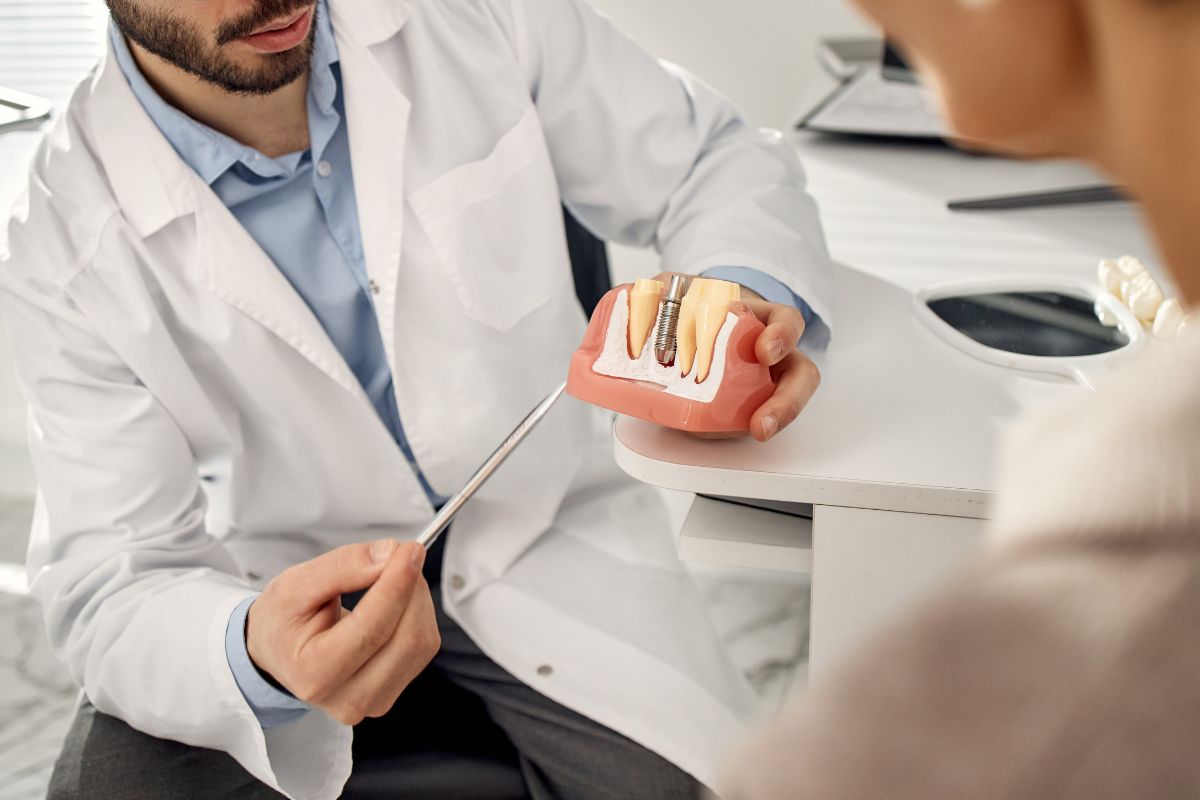
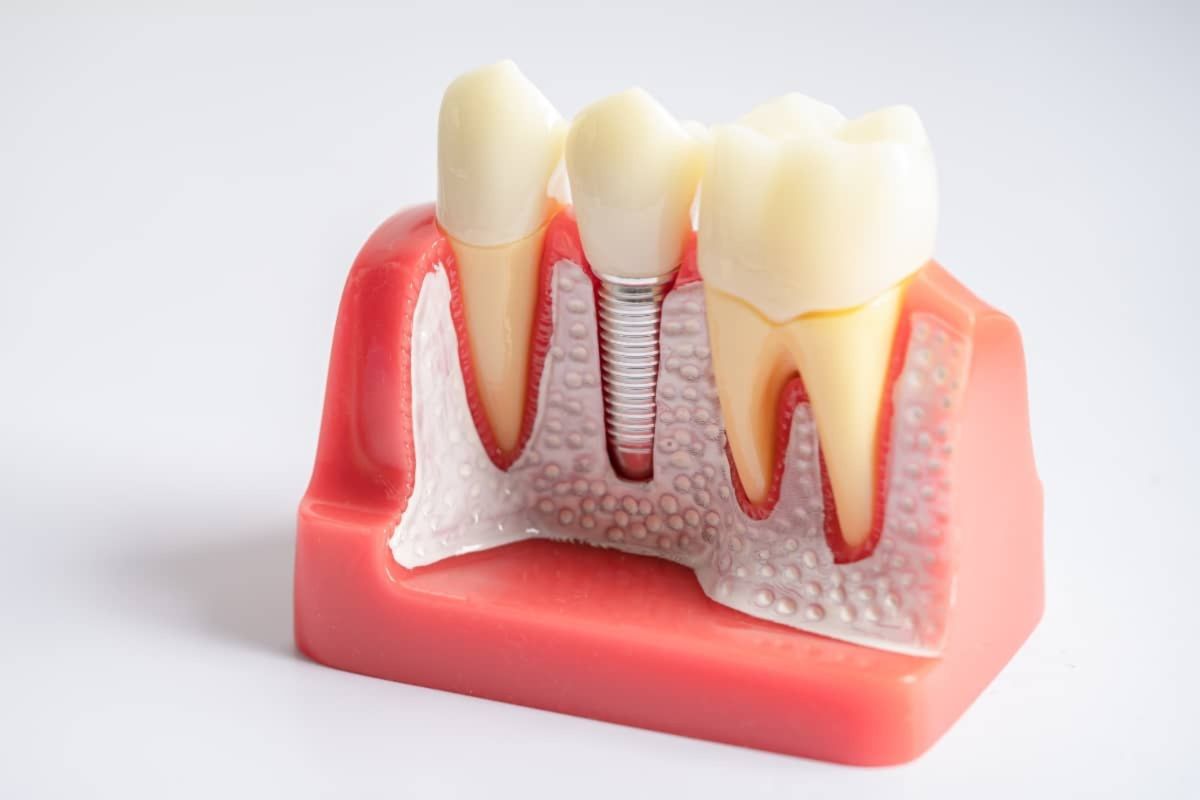
Dental implants are designed to replace missing tooth roots and support replacement teeth. Once treatment is completed and the implant has properly integrated with the jawbone, the restoration can provide a stable foundation for chewing.
Unlike removable appliances that can shift during meals, an implant-supported tooth is secured in place. This stability can make it easier to bite and chew a wider variety of foods.
Think about your typical day.
Breakfast might include toast, fruit, or eggs. Lunch could mean a sandwich or salad. Dinner may involve grilled chicken, vegetables, or your favorite Lenexa restaurant meal.
Having a stable replacement tooth can help make those everyday choices feel less complicated.
Enjoying More of the Foods You Love
One of the biggest lifestyle benefits people associate with tooth replacement is being able to eat more comfortably.
Of course, every patient heals differently, and your care team will provide specific instructions about what you can eat during recovery. Once treatment is complete, many patients appreciate having a more secure way to bite and chew.
This can be especially meaningful if you have been avoiding foods because of missing teeth.
Stability Matters When You Chew
Removable dentures can be an effective option for many people, but some patients experience movement while eating. That movement can make certain foods harder to manage.
Implant-supported restorations are anchored to implants placed in the jaw. This can provide greater stability compared with a removable appliance.
The goal is not simply to replace what is missing. It is to create a functional replacement that works with the rest of your mouth.
Your provider will evaluate your bone structure, gum health, overall oral health, and other factors before determining whether implants are appropriate.
What About Eating During Recovery?
Recovery is an important part of the implant process.
Immediately after treatment, you will likely need to follow specific dietary instructions while the surgical area heals. Soft foods may be recommended during the early healing period, followed by a gradual return to your regular diet as directed by your dental team.
Good options during recovery may include:
- Smoothies without hard ingredients
- Yogurt
- Mashed vegetables
- Soft eggs
- Soups that are not too hot
- Soft pasta
- Tender cooked foods
Your provider may recommend avoiding hard, sticky, or crunchy foods during certain stages of healing. Following those instructions can help support a smoother recovery.
A Local Solution for Busy Lenexa Lifestyles
Life in Lenexa can be busy. Between work, school drop-offs, family activities, errands, and grabbing a meal with friends, eating should not feel like another task you have to carefully manage.
Whether you live near Lenexa City Center, Prairie Creek, Falcon Ridge, or another part of the community, having access to local dental care can make treatment planning more convenient.
If you have searched for a dental implant near me, consider more than distance alone. Look for a practice that takes time to evaluate your oral health, explain your options, and create a treatment plan based on your individual needs.
Simple Habits That Can Protect Your New Teeth
Once your implant restoration is complete, taking care of it is important for long-term function.
Keep these habits in mind:
- Brush regularly with a soft-bristled toothbrush
- Clean carefully around the implant and restoration
- Floss or use recommended interdental cleaning tools
- Keep your regular dental appointments
- Follow your provider’s cleaning instructions
- Avoid using your teeth to open packages or bite hard objects
- Contact your dental team if you notice discomfort or changes
Implant-supported teeth are designed to function like replacement teeth, but they still need consistent care.
Is Tooth Replacement Right for You?
Not everyone with tooth loss will have the same treatment needs. An implant may be appropriate for some patients, while a bridge, denture, or another option may make more sense for others.
A consultation gives you the opportunity to discuss:
- How many teeth are missing
- The condition of your gums
- Available bone support
- Your overall oral health
- Your eating and lifestyle goals
- Your treatment options and recovery expectations
The best treatment plan is one based on your mouth, your health, and your long-term goals.
Frequently Asked Questions
Can dental implants make chewing easier?
They can provide a stable foundation for replacement teeth, which may make biting and chewing more comfortable after healing is complete. Your individual result depends on your oral health and treatment plan.
Can I eat normally after implant treatment?
Many patients return to a regular diet after healing, but the timing varies. Your dental provider will tell you when it is appropriate to introduce different foods.
What foods should I avoid during implant recovery?
Your provider may recommend avoiding hard, crunchy, sticky, or very hot foods during certain stages of healing. Follow the personalized instructions provided after treatment.
How do I care for an implant after treatment?
Brush regularly, clean between your teeth and around the restoration, attend recommended dental visits, and follow your provider’s specific maintenance instructions.
Are implants suitable for everyone with missing teeth?
Not necessarily. Gum health, available bone, overall health, and other factors can affect eligibility. A professional evaluation is the best way to determine which replacement option may work for you.
Make Mealtimes Comfortable Again
Food is part of everyday life. It is the breakfast you grab before work, the dinner you share with family, and the meal you enjoy with friends after a busy day in Lenexa. Missing teeth should not have to dictate what you can comfortably eat.
If tooth loss has changed the way you approach meals, Lenexa Smiles and Braces can help you explore your tooth replacement options. Book an appointment today to discuss whether implant treatment could help you get back to enjoying everyday meals with greater comfort and confidence.