The words “root canal” can make even a calm dental visit sound intimidating. If you have been putting off treatment because you are worried about pain, you are not alone. The good news is that modern dental techniques are designed to make the procedure much more comfortable than many people expect.
A root canal is performed to treat a tooth that has an infected or inflamed inner pulp. With proper care, the goal is not to create discomfort—it is to remove the source of pain, protect the tooth, and help you get back to normal.
What Does Root Canal Therapy Actually Feel Like?
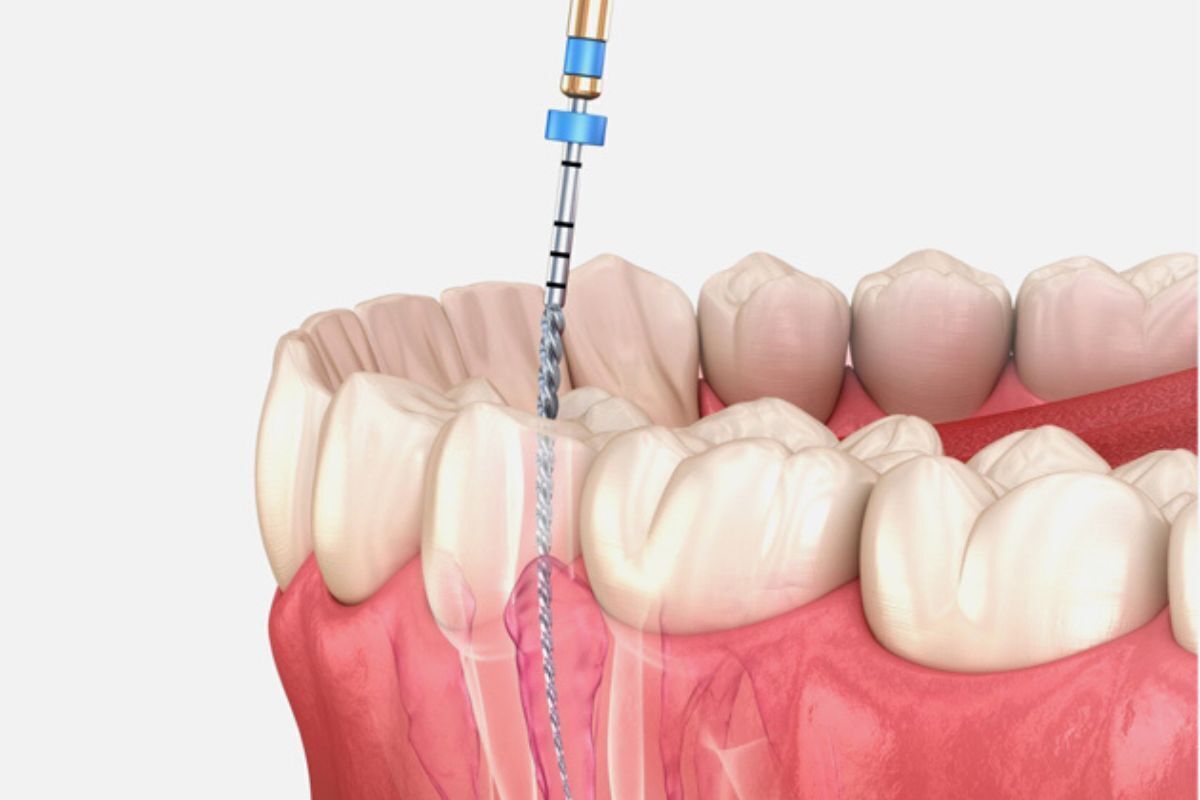
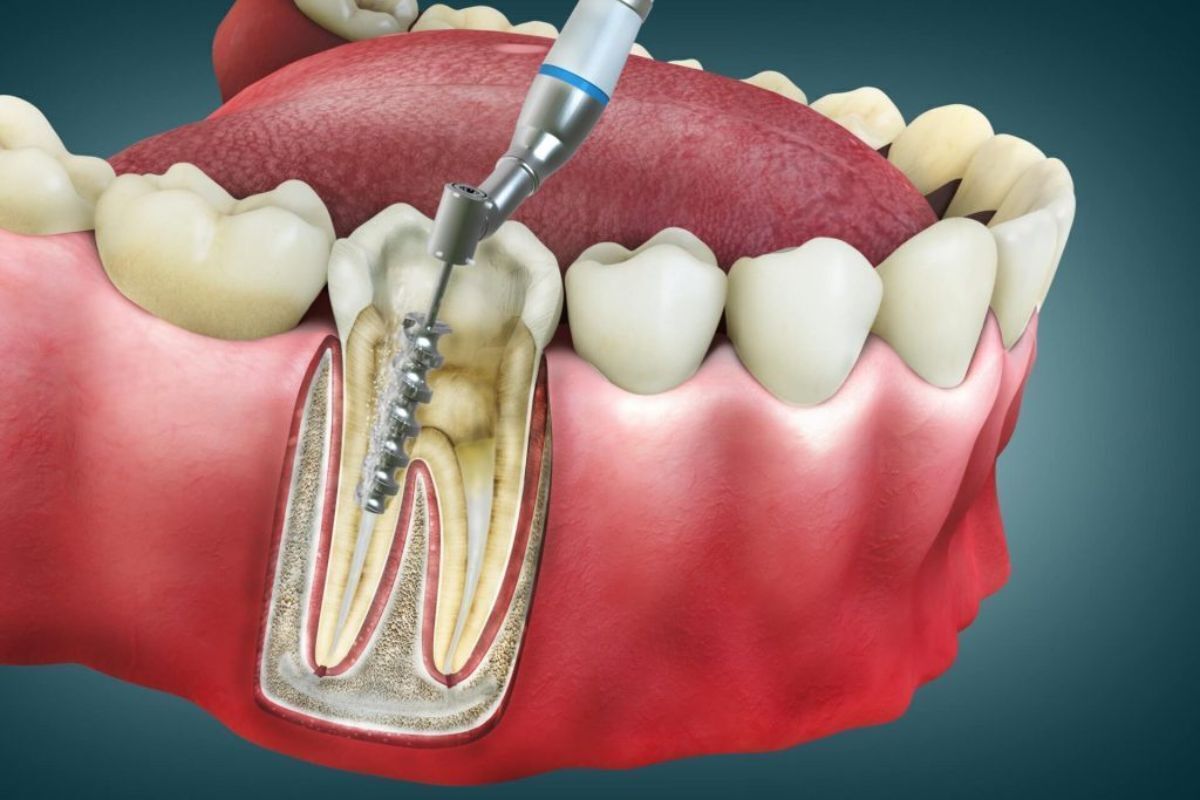
For many patients, the biggest surprise is how manageable the treatment feels. Before starting, your dentist will numb the area with local anesthesia. Once the tooth is completely numb, the infected or damaged pulp can be carefully removed.
If you are looking for root canal therapy Lenexa, understanding the process can help replace uncertainty with confidence. Your dentist will explain what is happening, answer your questions, and make sure you are comfortable before treatment begins.
During the procedure, you may notice pressure, vibration, or the sensation of your dentist working on the tooth. You should not expect sharp pain while the area is properly anesthetized. If you feel uncomfortable at any point, let your dental team know so they can pause and make adjustments.
Why Does a Tooth Need a Root Canal?
The soft tissue inside a tooth contains nerves and blood vessels. When this tissue becomes severely inflamed or infected, the tooth may become increasingly sensitive or painful.
Common causes include:
- Deep tooth decay
- A cracked or damaged tooth
- Repeated dental procedures on the same tooth
- Trauma or an injury
- Bacteria reaching the inner pulp
Ignoring symptoms does not necessarily make the problem disappear. In some cases, the infection can spread and cause swelling or an abscess.
What Happens During Treatment?
Knowing what to expect can make your appointment feel much easier.
Before treatment:
Your dentist examines the tooth and may use dental X-rays to determine the extent of the problem. The area is then numbed thoroughly.
During treatment:
A small opening is made in the tooth so the infected or damaged pulp can be removed. The inside of the tooth is cleaned, shaped, and disinfected before being sealed.
After treatment:
Some tenderness or sensitivity may occur for a few days, especially when biting. This is generally manageable and should gradually improve. Your dentist may recommend appropriate pain-relief options based on your individual needs.
A restored tooth can then function normally, although it may need a dental crown or another restoration to provide additional protection.
What Can You Do to Stay Comfortable After a Root Canal?
A little preparation can make recovery easier.
- Follow your dentist’s aftercare instructions carefully.
- Avoid chewing hard or sticky foods on the treated tooth until your dentist says it is safe.
- Keep brushing and flossing gently around the area.
- Take recommended medication only as directed.
- Attend your follow-up appointment if one is scheduled.
- Contact your dental office if pain becomes severe, swelling develops, or symptoms do not improve.
If you have searched for root canal treatment near me, choosing a dental office where you can discuss your concerns openly is just as important as finding convenient care.
Local Dental Care for Lenexa Patients
For people living or working in Lenexa, getting dental treatment does not have to mean traveling far from home. A convenient local appointment can make it easier to address tooth pain before it interferes with work, school, meals, or everyday activities.
Whether you live near Lenexa City Center, around Lake Lenexa, or in one of the nearby Johnson County communities, timely dental care can help prevent a small problem from becoming a more complicated one.
When searching for dentists of Lenexa or a dentist Lenexa patients can rely on, look for a practice that focuses on clear communication, comfortable treatment, and personalized care.
When Should You Call a Dentist?
Tooth pain deserves attention, particularly when it keeps returning or becomes more intense.
Consider contacting your dental office if you experience:
- Persistent toothache
- Sensitivity to hot or cold that lingers
- Pain when biting or chewing
- Swelling around the tooth or gums
- A pimple-like bump on the gums
- Darkening or discoloration of a tooth
- A bad taste or drainage near the affected area
Prompt evaluation can help determine whether a root canal or another treatment is appropriate.
Frequently Asked Questions
Is a root canal more painful than a tooth extraction?
Not necessarily. With modern anesthesia and dental techniques, many patients find root canal treatment comfortable. The right treatment depends on the condition of the tooth and your dentist’s evaluation.
How long does discomfort last after treatment?
Mild tenderness can occur for a few days. It should gradually improve. If discomfort becomes severe or continues without improvement, contact your dentist.
Can I drive myself home after a root canal?
If your treatment only involves local anesthesia, many patients can return to their normal activities. However, your dentist can provide guidance based on your specific treatment and whether any additional medication or sedation is used.
Can a root canal save my natural tooth?
Often, yes. The purpose of root canal treatment is to remove infected tissue while preserving the remaining natural tooth. A suitable restoration can then help protect it.
What happens if I delay treatment?
An untreated infection may worsen and potentially lead to an abscess, swelling, or damage to surrounding tissues. If you have ongoing tooth pain, it is better to have it evaluated rather than waiting for it to become an emergency.
Your Next Step Toward a Healthier Tooth
You do not have to let fear of pain keep you from addressing a painful or infected tooth. Modern root canal treatment is focused on comfort, precision, and preserving your natural tooth whenever possible.
If you are experiencing tooth pain or have been told you may need endodontic treatment, Lenexa Smiles and Braces is here to help you understand your options. Schedule an appointment today and take the next step toward comfortable, dependable dental care close to home.