
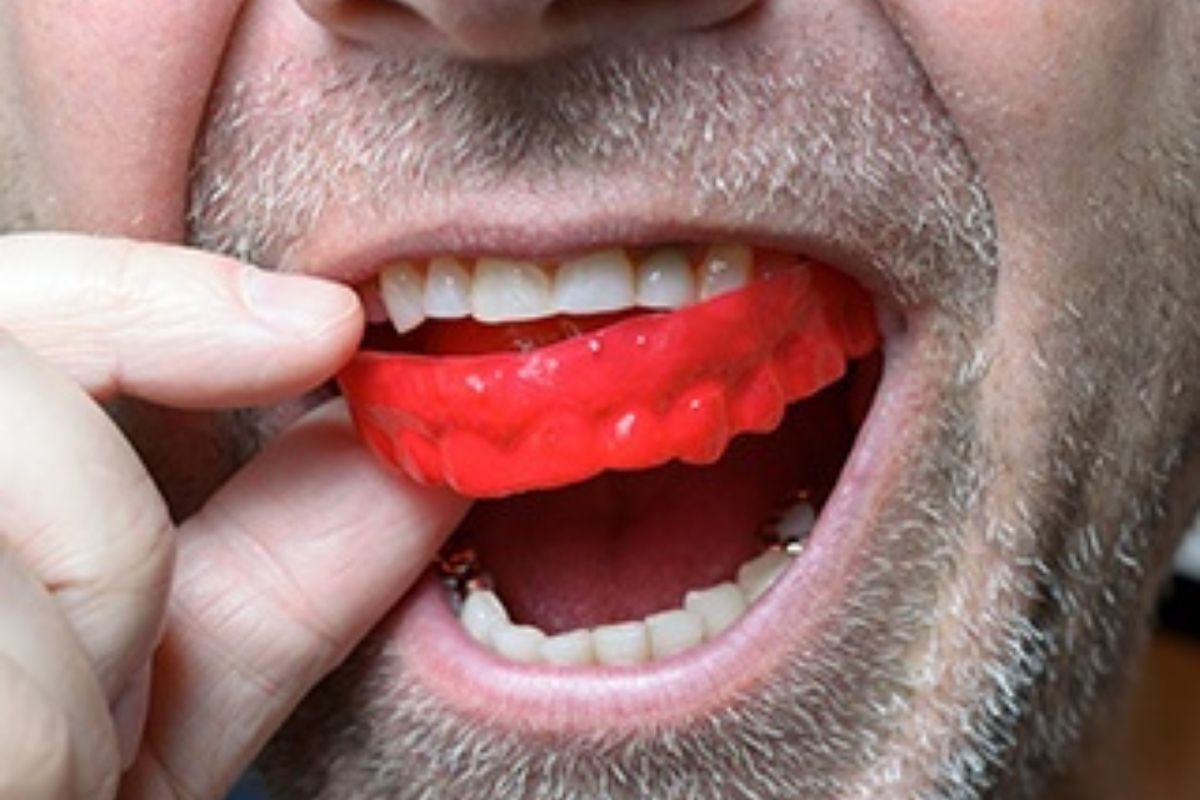
A game-winning play, a weekend pickup game, or an active afternoon with friends can put your teeth at risk when you wear braces. One unexpected hit to the mouth can damage brackets, wires, or the soft tissues inside your cheeks.
The good news? The right mouthguard can help protect your orthodontic investment while letting you stay active and comfortable. But not every mouthguard is designed to work with braces, so choosing the right type matters.
Why Do You Need a Mouthguard With Braces?
Braces create extra areas where the lips and cheeks can rub against brackets and wires. During contact sports or activities where a fall or impact is possible, that hardware can also increase the chance of irritation or injury.
A properly selected mouthguard for braces kansas city patients can use should provide protection without placing unnecessary pressure on brackets or restricting normal orthodontic movement.
For families around Kansas City, including Lenexa, Overland Park, Shawnee, Olathe, and nearby communities, a mouthguard can be an important part of protecting orthodontic treatment during an active lifestyle.
What Makes a Mouthguard Braces-Friendly?
A mouthguard designed for someone with braces is different from a standard athletic mouthguard. Look for features that account for brackets and the gradual movement of teeth during orthodontic treatment.
Comfortable Fit
Comfort matters. A mouthguard that feels bulky or constantly rubs against the cheeks may be difficult to wear consistently. The fit should allow you to speak and breathe comfortably while keeping the appliance securely in place.
Room for Tooth Movement
Your teeth are gradually changing position during orthodontic treatment. A braces-friendly mouthguard should provide enough space to accommodate that movement rather than pressing tightly against the brackets.
Adequate Protection
If your child plays football, basketball, hockey, wrestling, soccer, or another contact sport, protection should be a priority. A quality mouthguard can help cushion an impact and reduce the chance of damage to the teeth and orthodontic appliances.
Proper Orthodontic Fit
This is especially important. Your orthodontic provider understands how your braces are positioned and can recommend an option appropriate for your treatment stage.
Should You Choose a Stock, Boil-and-Bite, or Custom Mouthguard?
Not all mouth guards kansas city families find online or in local stores offer the same level of fit.
Stock mouthguards come ready to wear but generally offer less customization. They may feel loose or bulky, making them less comfortable for some athletes.
Boil-and-bite mouthguards soften in warm water and are shaped to the user’s mouth. While they can offer a better fit than stock options, they aren’t always ideal for braces because teeth and orthodontic hardware continue to move.
Orthodontic or professionally fitted mouthguards are designed with braces in mind. Your orthodontic team can help determine whether this option is appropriate based on your appliance and treatment needs.
What Sports Around Kansas City May Call for Extra Protection?
Kansas City-area families have plenty of opportunities to stay active. From youth soccer and basketball to football, wrestling, hockey, and recreational sports, many activities involve some possibility of facial impact.
Even sports that don’t involve deliberate contact can present a risk. A collision, fall, or accidental elbow can happen quickly.
If you’re heading to practice at a local recreation center, school field, community league, or athletic facility, make sure your mouth protection fits your orthodontic needs before you step onto the court or field.
Signs Your Current Mouthguard May Not Be Right
Your mouthguard deserves a closer look if:
- It presses directly against your brackets.
- It frequently falls out while talking or playing.
- You have difficulty breathing or speaking while wearing it.
- It causes repeated irritation inside your cheeks or lips.
- Your braces have recently been adjusted.
- The mouthguard no longer feels comfortable.
- It has become damaged, worn, or difficult to clean.
A mouthguard that worked earlier in orthodontic treatment may not remain the best option as your teeth move.
How to Care for Your Mouthguard
Good care can help keep your mouthguard fresh and ready for use.
- Rinse it with cool water after each use.
- Allow it to air-dry before storing it.
- Keep it in a ventilated protective case.
- Avoid exposing it to hot water, which can change its shape.
- Check it regularly for tears, cracks, or excessive wear.
- Bring it to orthodontic appointments so its fit can be evaluated when needed.
Never share a mouthguard with another person.
When Should You Ask Your Orthodontist?
If you’re unsure which mouthguard is right for your braces, don’t rely solely on packaging claims or online reviews. Your orthodontist can consider your braces, tooth movement, comfort, and the type of activity you participate in.
It’s also worth asking about your mouthguard after major orthodontic adjustments. Changes to your teeth or appliances can affect how comfortably and safely it fits.
Frequently Asked Questions
Can I wear a regular mouthguard with braces?
A standard mouthguard may not provide the space and fit needed for braces. An orthodontic-friendly option is generally more appropriate, but your orthodontist can recommend what works for your appliance.
How often should I replace a mouthguard?
Replacement depends on wear, fit, damage, and changes in your orthodontic treatment. Children and teens may also need a new one as their mouths and braces change.
Can I wear a mouthguard for every sport?
A mouthguard can be useful for many sports where there is a risk of falls, collisions, or facial impact. Your orthodontic provider can help you determine whether you should wear one for a particular activity.
Can a mouthguard damage my braces?
A properly selected orthodontic mouthguard should be designed to work around braces. A poorly fitting product may cause discomfort or unwanted pressure, so professional guidance is valuable.
What should I do if my mouthguard no longer fits?
Don’t force it into place. Bring it to your orthodontic appointment and ask whether it should be adjusted or replaced, particularly after an orthodontic adjustment.
Protect Your Braces While Staying Active
Being active shouldn’t mean putting your orthodontic treatment at unnecessary risk. The right mouthguard can give you added protection while helping you stay comfortable during practices, games, and everyday activities.
If you’re looking for guidance on choosing the right protection for braces in the Kansas City area, Lenexa Smiles and Braces can help you find an option suited to your orthodontic needs. Book an appointment today and give your braces the protection they deserve.