
A damaged or weakened tooth can make everyday activities feel unexpectedly difficult. You may notice discomfort while eating, avoid chewing on one side, or worry that the tooth could crack further. When you need a restoration, the thought of multiple dental visits and temporary crowns may add even more stress.
Modern dental technology has changed that experience. In many cases, a custom crown can be designed, created, and placed during a single visit. That means less time away from work, school, family responsibilities, and the activities you enjoy around Lenexa.
If you have been searching for same day crowns near me, understanding the appointment process can help you feel more prepared and confident about your treatment. From the initial examination to the final placement, each step is designed to restore your tooth with efficiency, comfort, and precision.
Why Might You Need a Dental Crown?
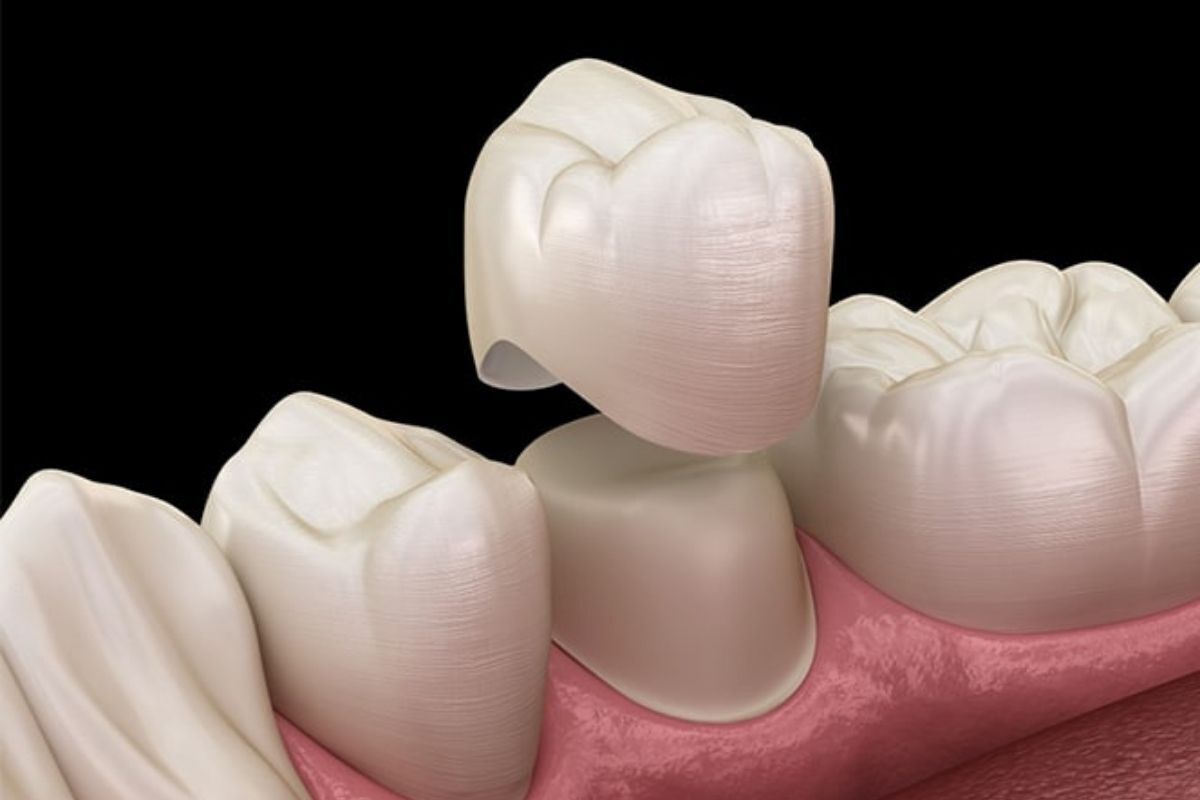
A dental crown is a custom restoration that covers and protects a tooth that has been damaged, weakened, or extensively treated. It is shaped to blend with your natural teeth while helping restore normal function.
Your dentist may recommend a crown when you have:
- A large cavity that cannot be repaired with a simple filling
- A cracked, broken, or worn tooth
- A tooth that has received root canal treatment
- An older crown that is damaged or no longer fitting properly
- Significant tooth structure loss caused by decay or injury
- A tooth that needs additional strength and protection
A crown does more than improve appearance. It can help protect the remaining tooth structure and make chewing more comfortable.
Your Appointment Begins With a Thorough Examination
Before beginning treatment, your dentist will examine the affected tooth and surrounding tissues. Digital X-rays or other diagnostic tools may be used to evaluate the tooth below the surface and determine whether a crown is the right solution.
Your dentist will also discuss your symptoms, treatment goals, and any concerns you may have. This is a good time to ask questions about the procedure, expected results, and how to care for your restoration.
Not every tooth is a candidate for same-visit treatment. If there is extensive infection, severe damage, or another issue that requires additional care, your dentist may recommend a different treatment plan.
Preparing the Tooth
Once your treatment plan is confirmed, the area is typically numbed to help keep you comfortable. Your dentist then carefully reshapes the tooth so the crown can fit securely over it.
Only the amount of tooth structure necessary for proper placement is removed. The goal is to preserve as much healthy tooth material as possible while creating a stable foundation for the restoration.
You may feel gentle pressure or vibration during this stage, but the procedure should not be painful. If you experience discomfort, let your dental team know so adjustments can be made.
Digital Scanning Replaces Traditional Impressions
One of the most convenient parts of modern crown treatment is digital scanning. Instead of using traditional impression material, your dentist may use a small intraoral scanner to capture detailed images of your teeth.
The digital scan creates a precise model of your mouth and helps your dental team design a crown that supports a comfortable fit and natural bite.
Patients often appreciate this technology because it can be:
- Faster than conventional impressions
- More comfortable for people with a sensitive gag reflex
- Highly detailed and accurate
- Useful for creating a crown that blends with nearby teeth
If you are looking for a dental crown near me, ask whether the practice uses digital scanning and in-office crown technology.
Designing Your Custom Crown
After the scan is complete, your dentist designs the restoration using advanced computer technology. The crown is shaped to match the size, contours, and bite of your natural teeth.
Your dentist may also select a shade that complements the surrounding teeth. The goal is to create a restoration that looks natural and feels comfortable when you speak and chew.
Because every patient’s mouth is different, the design is customized rather than using a one-size-fits-all approach.
Creating the Crown in the Office
Once the design is finalized, the information is sent to an in-office milling system. The system creates the crown from a durable, tooth-colored material while you remain at the dental office.
During this part of the visit, you may have time to relax, catch up on messages, or simply take a break. The exact appointment length can vary based on the tooth being treated and the complexity of the restoration.
This process eliminates the need to wait for a dental laboratory to create the crown in many eligible cases.
Checking the Fit and Making Adjustments
After the crown is created, your dentist places it on the tooth and checks several important details, including:
- The fit around the tooth
- The contact with neighboring teeth
- The alignment of your bite
- The appearance and shade
- Your comfort when closing your mouth
Small adjustments may be made to help the crown feel natural. Your dentist will want to make sure your bite is balanced so the restoration functions properly during everyday use.
Bonding the Crown Into Place
Once the fit is approved, the crown is securely bonded to the prepared tooth. Your dentist removes any excess bonding material and performs a final evaluation.
You may be asked to bite down gently so your dentist can confirm that the crown feels comfortable. Before you leave, the dental team will explain how to care for the restored tooth and what to expect as the numbness wears off.
Many patients are able to return to their normal routines soon after the appointment. However, it is best to follow any personalized instructions provided by your dentist.
How to Care for Your New Crown
A crown is designed to be durable, but it still needs consistent care. The tooth beneath the restoration and the surrounding gums remain vulnerable to decay and gum disease.
Help protect your crown by:
- Brushing thoroughly twice each day
- Cleaning between your teeth daily
- Attending routine dental checkups and cleanings
- Avoiding chewing ice or other very hard objects
- Using a nightguard if you grind or clench your teeth
- Contacting your dentist if the crown feels loose, rough, or uncomfortable
With good oral hygiene and regular professional care, a crown can provide long-lasting support.
Why Same-Visit Crown Treatment Can Be Convenient
For many Lenexa residents, finding time for repeated dental appointments can be challenging. Work schedules, school activities, family commitments, and travel around Johnson County can make it difficult to return for multiple visits.
Same-day treatment may offer benefits such as:
- Fewer trips to the dental office
- No temporary crown in many cases
- Less time away from work or school
- A custom restoration completed during one visit
- A streamlined treatment experience
Your dentist will determine whether this option is appropriate based on your oral health and the condition of the tooth.
Frequently Asked Questions
Is a same-day crown appointment painful?
The tooth and surrounding area are typically numbed before treatment begins. You may notice pressure or vibration during preparation, but the procedure should be comfortable. Some mild sensitivity may occur after the numbness fades.
How long does the appointment take?
The length of the visit varies based on the tooth and the complexity of treatment. Your dental team can provide a more personalized estimate after examining your tooth.
Will the crown look like a natural tooth?
The crown is designed to match the shape, size, and shade of your surrounding teeth. Your dentist also checks the appearance and fit before permanently bonding it into place.
Can every patient receive a crown in one visit?
Not always. Some teeth require additional treatment or may have conditions that make another approach more appropriate. Your dentist will recommend the option that best supports your oral health.
How long can a dental crown last?
The lifespan of a crown depends on factors such as oral hygiene, bite pressure, daily habits, and regular dental care. Routine checkups help your dentist monitor the crown and the tooth beneath it.
Restore Your Tooth Without Putting Your Schedule on Hold
A damaged tooth should not have to interrupt your daily routine for longer than necessary. With modern digital technology, many patients can receive a custom restoration in one convenient appointment while still benefiting from careful planning and personalized care.
If you have a damaged, cracked, or weakened tooth, schedule a consultation with Lenexa Smiles and Braces to learn whether same-visit crown treatment may be right for you. A timely appointment ( +19138082027) can help protect your tooth, restore comfortable function, and get you back to enjoying everyday life with confidence.