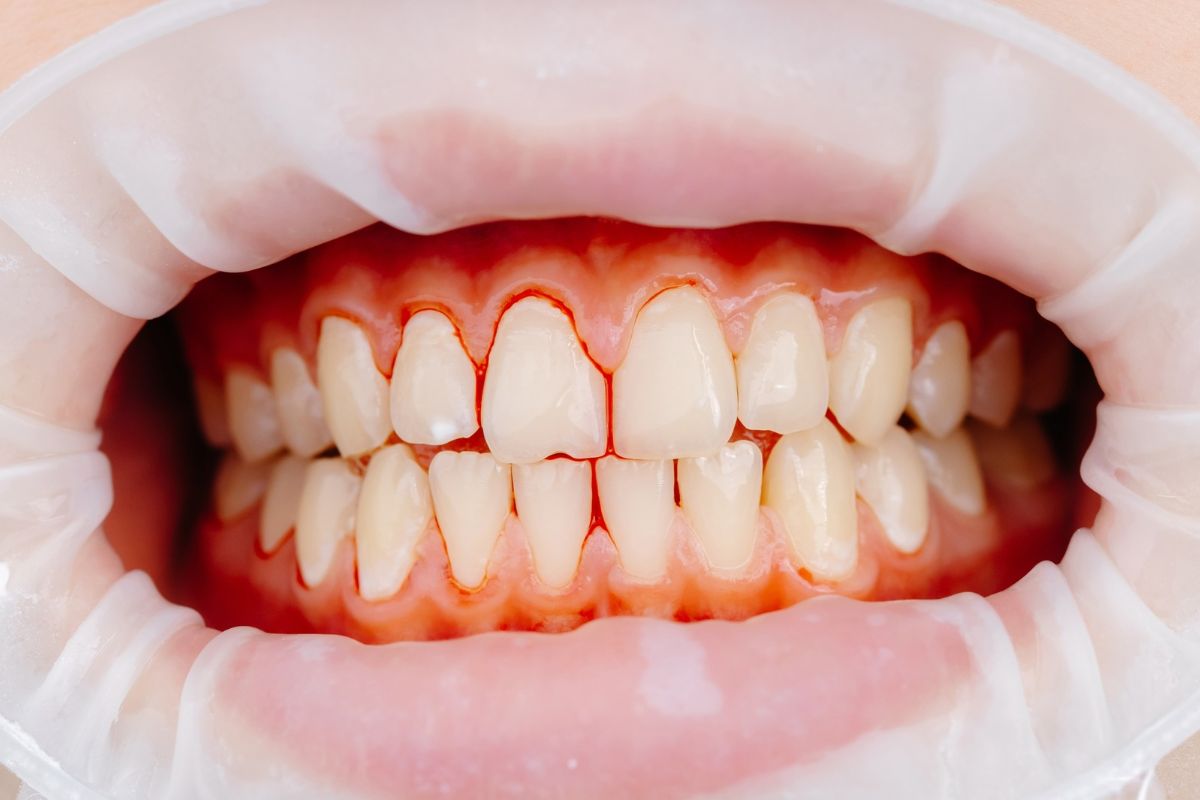
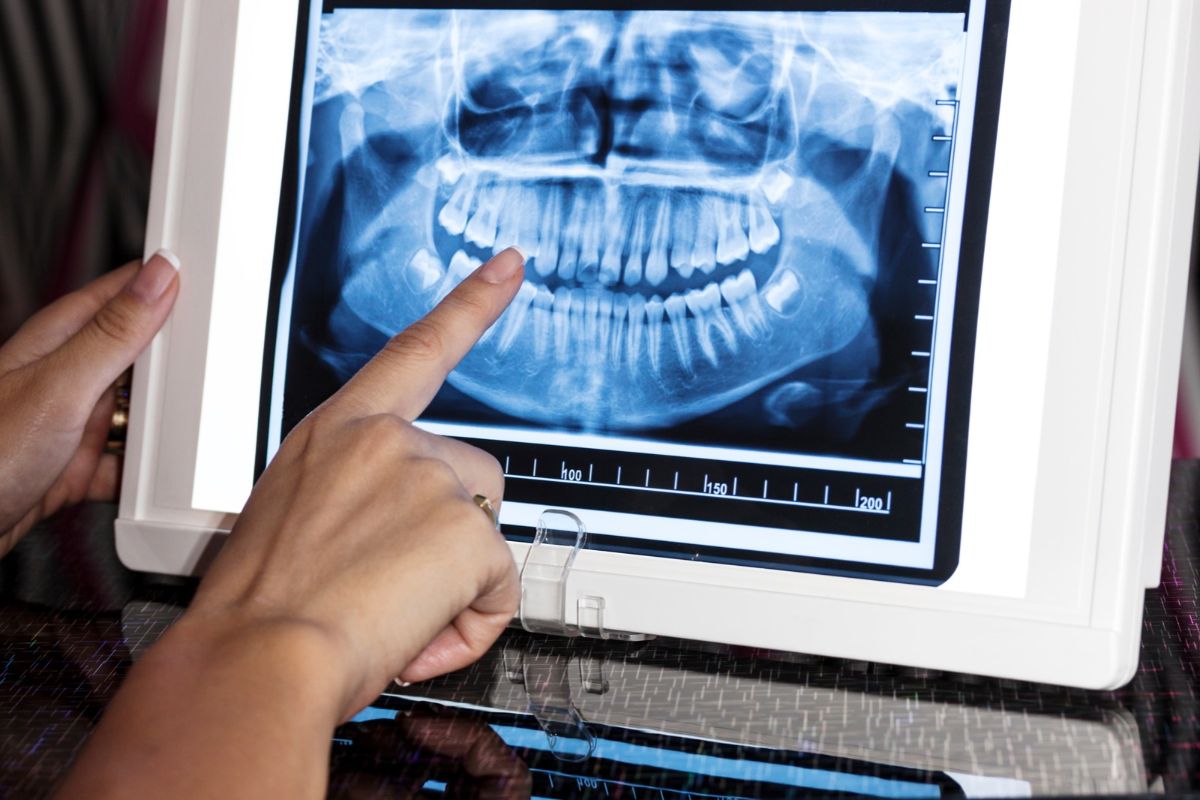
Your teeth may look perfectly healthy in the mirror, but what about the areas you cannot see? Cavities between teeth, infections beneath the gums, and changes in the jawbone can develop without causing noticeable symptoms.
That is where dental imaging becomes helpful. It allows your dental care team to look beyond the visible surfaces of your teeth and identify potential concerns before they become more complicated. Understanding why these images are recommended can help you feel more comfortable during your next dental visit.
If you are visiting a dentist lenexa families trust, understanding the purpose of Dental X-Rays can help you make more informed decisions about your oral health.
What Are Dental X-Rays?
Dental X-rays are images that use a small amount of radiation to show structures inside your mouth that cannot be examined through a regular visual checkup.
They help your dental care provider evaluate areas such as:
- Tooth roots and surrounding structures
- Bone levels around your teeth
- Cavities between teeth
- Impacted or unerupted teeth
- Infections near tooth roots
- Changes in the jawbone
These images provide additional information that helps your provider understand what is happening beneath the surface.
Why Might You Need Dental Imaging During a Checkup?
You might wonder why imaging is necessary when your teeth do not hurt. The truth is that many dental problems develop quietly.
Here are some common reasons your dental provider may recommend it.
Detecting Cavities Between Teeth
Not every cavity is visible during a regular examination. Tooth decay can develop in tight spaces between neighboring teeth, where a toothbrush may not reach effectively.
Dental images can help identify these areas early, allowing your provider to discuss treatment before the decay becomes more extensive.
Checking the Health of Tooth Roots
Tooth roots are hidden beneath the gums, so a visual examination cannot reveal everything happening around them.
Imaging can help identify infections, changes around the root tips, and other abnormalities that may require attention.
Evaluating Bone and Gum Health
Healthy gums depend on the supporting bone beneath them. When gum disease progresses, it can lead to bone loss around the teeth.
Your dental care provider may recommend imaging to evaluate bone levels and monitor changes when there are signs of periodontal concerns.
Monitoring Developing Teeth
Children and teenagers may need dental imaging to check how permanent teeth are developing.
It can help identify:
- Teeth that are not erupting properly
- Impacted teeth
- Crowding concerns
- Changes in tooth positioning
This information can also be useful when considering orthodontic treatment.
Different Types of Dental X-Rays
Not every patient needs the same type of imaging. The images recommended depend on your age, dental history, symptoms, and individual oral health needs.
Some commonly used types include:
Bitewing Images
These show the upper and lower back teeth together. They are particularly useful for detecting cavities between neighboring teeth and evaluating bone levels.
Periapical Images
These focus on an entire tooth, including its root and surrounding bone. They can help identify infections, root damage, and other concerns.
Panoramic Images
These provide a broader view of the upper and lower jaws, including the teeth, jawbone, and surrounding structures. They may be useful when evaluating impacted teeth or planning certain treatments.
Cone Beam CT Imaging
This specialized three-dimensional imaging provides a more detailed view of dental structures. It may be recommended for specific situations, such as dental implant planning or complex surgical evaluations.
Your provider will determine which type, if any, is appropriate for your situation.
Are Dental X-Rays Safe?
It is completely reasonable to have questions about radiation exposure, especially if you are bringing your child in for a dental checkup.
Modern dental imaging uses relatively low radiation doses. Dental professionals follow safety guidelines and recommend images only when they are clinically appropriate.
Several precautions help limit unnecessary exposure:
- Using digital imaging technology when available
- Taking images only when needed for diagnosis or treatment
- Using appropriate exposure settings
- Following recommended radiation safety practices
If you are pregnant or think you may be pregnant, let your dental provider know before imaging. They can evaluate the urgency of the images and discuss appropriate precautions based on current guidelines.
How Often Should You Get Dental Imaging?
There is no single schedule that works for everyone.
Some patients may need images more frequently because of a history of cavities, gum disease, or ongoing dental concerns. Others with good oral health and a lower risk of decay may not need them as often.
Your provider will consider factors such as:
- Your previous dental history
- Current symptoms or discomfort
- Risk of developing cavities
- Existing dental restorations
- Gum and bone health
- Age and oral development
For families in Lenexa, this individualized approach is especially helpful. Whether you are scheduling a routine visit for yourself, bringing in a teenager, or arranging care for an older family member, imaging recommendations should reflect each person’s needs.
What Happens During a Dental X-Ray Appointment?
If you have never had dental imaging before, there is usually no reason to feel nervous. The process is generally quick and straightforward.
Here is what you can expect:
- Your dental team will explain the imaging process.
- You may be asked to wear a protective apron if appropriate under the office’s safety protocol.
- A small sensor or imaging device will be positioned inside or near your mouth.
- You will be asked to remain still briefly while the image is captured.
- Your provider will review the images and explain any findings.
Most routine dental images are completed in just a few minutes.
Frequently Asked Questions
Do dental X-rays hurt?
No. Dental imaging is generally painless. You may feel slight pressure from the sensor or positioning device, but the process does not involve drilling or other painful procedures.
Can dental X-rays detect cavities before they cause pain?
Yes. They can reveal decay between teeth and other areas that may not be visible during a regular examination. Early detection can help prevent more extensive damage.
Are dental X-rays necessary at every checkup?
No. Imaging is not automatically required at every visit. Your provider recommends it based on your dental history, current symptoms, and individual risk factors.
Can children safely have dental imaging?
Yes, when clinically necessary. Dental professionals use age-appropriate techniques and radiation safety measures to keep exposure as low as reasonably achievable.
What is the difference between digital and traditional dental imaging?
Traditional imaging uses film, while digital imaging captures pictures electronically using a sensor. Digital systems can provide images quickly and may use less radiation than conventional film systems.
Make Your Next Dental Checkup More Informative
A healthy mouth is about more than what you can see in the mirror. Sometimes, the most important information comes from looking beneath the surface. Dental imaging helps your dental care team identify hidden concerns, monitor changes, and recommend treatment based on a clearer picture of your oral health.
If you are looking for a dentist in Lenexa who takes the time to explain your dental care options, the team at Lenexa Smiles and Braces is ready to help. Schedule your appointment today and take a proactive step toward keeping your family’s teeth and gums healthy.