People who lose a tooth often think it’s a minor issue, especially if it isn’t immediately visible when you smile. However, leaving that gap untreated can set off a chain reaction that impacts your oral health, facial structure, and daily comfort. A missing tooth isn’t just a cosmetic concern; it can change how your mouth functions over time.
This is a friendly community known for gatherings at Sar-Ko-Par Trails Park and fun seasonal events like the Great Lenexa BBQ Battle. That is why having a complete and confident smile can truly boost your social interactions and your overall well-being. Knowing the potential effects of postponing treatment can help you avoid long-term complications. Find out the consequences of delaying tooth replacement treatment and learn how dental implants can effectively prevent these issues.
Why Replacing a Missing Tooth Matters?
A tooth does more than just help you chew your food. It also plays a key role in keeping your teeth aligned, supporting the structures around it, and contributing to the overall balance of your face. When one tooth is lost, the nearby teeth and structures can start to shift, affecting your smile and comfort.
Ignoring the gap may lead to progressive changes that worsen over time. These changes are often gradual, making them easy to overlook until significant damage occurs. This is where tooth replacement options, such as prosthetic teeth or implant-supported dentures, come in. These treatments can prevent multiple further problems while offering a natural look.
What Happens If You Don’t Replace a Missing Tooth?
Here are the issues that will arise if you do not restore your missing teeth:
1. Shifting of Surrounding Teeth
Teeth naturally support each other, creating a harmonious smile. When one tooth is missing, the neighboring teeth might drift into that space, which can lead to uneven wear and bite problems. Taking care of your teeth helps keep your smile healthy and beautiful.
2. Bone Loss in the Jaw
The jawbone stays healthy when it receives stimulation from tooth roots. Without this support, the bone tissue may begin to diminish, which over time can alter the natural contours of the face.
3. Bite Problems and Jaw Strain
A missing tooth can affect how your upper and lower teeth come together, sometimes causing discomfort or tension in your jaw when you chew. Taking care of this can really help improve your comfort and smile.
4. Difficulty Chewing Certain Foods
Some foods can be more difficult to enjoy without a complete set of teeth. This might influence your food choices and overall nutrition, but there are ways to adapt and still enjoy a balanced diet.
5. Increased Risk of Gum Issues
Open spaces can trap food particles, which can encourage bacteria to grow. This can lead to gum problems. Taking care to clean thoroughly in these areas can help keep your gums healthy.
A Closer Look at Long-Term Effects
These are the long-term effects of not replacing missing teeth:
- Facial structure changes: The jawbone supports facial shape. Bone loss from missing teeth can lead to a sunken appearance around the cheeks and lips.
- Speech alterations: Teeth play a role in forming certain sounds. Missing one can slightly affect speech clarity, especially with front teeth.
- Emotional and social impact: Even a single lost tooth can affect confidence. People may hesitate to smile or speak openly in social settings.
Imagine you are at the Lenexa Public Market, where conversations and shared meals are central to the experience. Even subtle dental concerns can influence how comfortable someone feels engaging with others. Don’t feel self-conscious about your smile; replace your missing tooth.
Signs It’s Time to Consider Replacement
Symptoms you should not ignore:
- Noticeable shifting of nearby teeth
- Difficulty chewing specific foods
- Changes in bite alignment
- Increased food trapping in the gap
- Jaw discomfort or uneven pressure
- Visible changes in facial shape
These signs usually appear gradually, so catching them early can really help prevent any additional complications. Taking action sooner rather than later makes a big difference!
What Is the Best Way to Replace a Missing Tooth?
The two most effective options for replacing a missing tooth are prosthetic teeth and implant-supported dentures. Both provide long-lasting solutions that restore functionality, enhance the appearance of your smile, and help maintain oral health.
Dental Implants
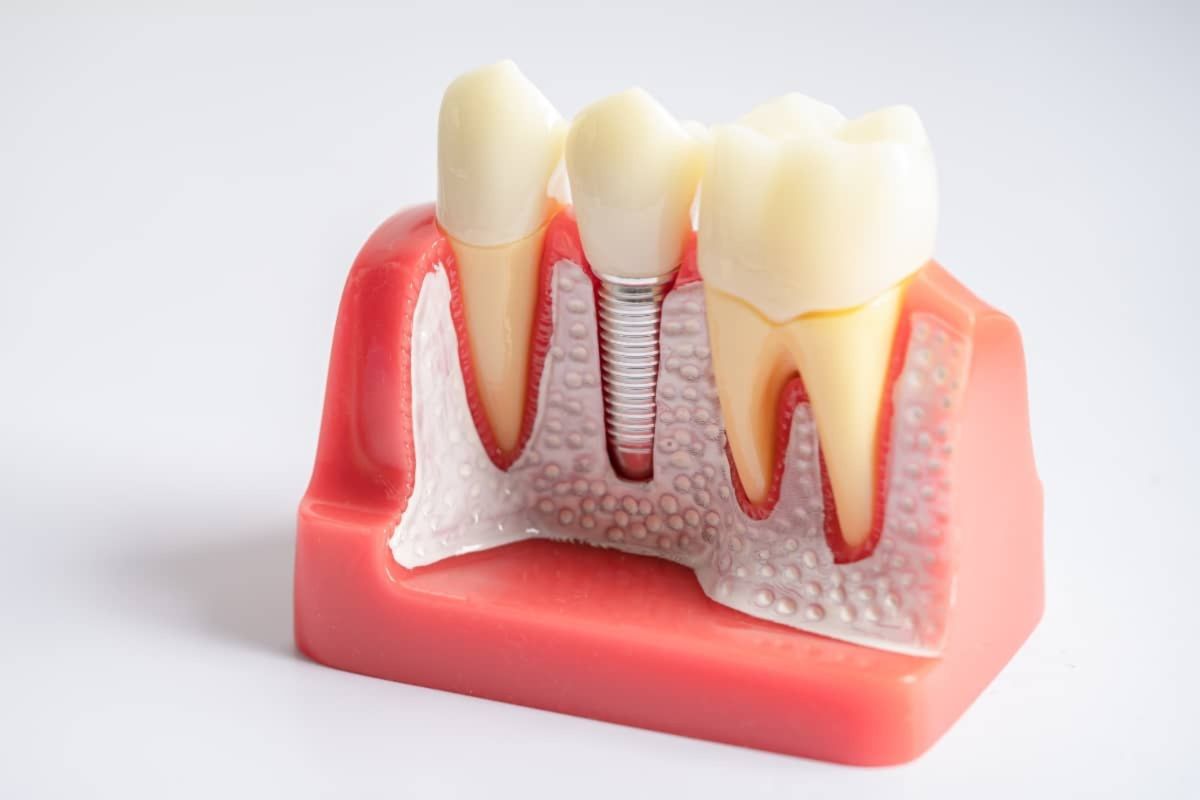
A permanent replacement that involves placing a titanium post into the jawbone, which acts as the root of a missing tooth. A crown is then placed on top to complete the tooth replacement.
Implant-Supported Dentures
These dentures are supported by prosthetic teeth rather than relying on adhesives or the gums. This option is ideal for replacing multiple missing teeth and offers a more secure and comfortable fit.
Benefits of Choosing Tooth Replacement Options
Here are the advantages you will experience after getting the treatment done:
Preservation of Bone Health
Both dental restorations and implant-supported dentures stimulate the jawbone, preventing the bone loss that typically occurs after tooth loss. This helps maintain the structure of your jaw and facial contours.
Enhanced Chewing Function
With these replacement options, you can eat a wider variety of foods without worrying about discomfort or limitations. Both methods offer functionality that closely mimics natural teeth.
Improved Speech and Comfort
Unlike traditional dentures, which can shift or feel uncomfortable, implant-supported dentures and prosthetic teeth are secure and comfortable. This stability also helps with speech, eliminating any slurring or mumbling caused by shifting teeth.
Long-Term Durability
Dental restorations and implant-supported dentures offer a long-term solution. While dentures need periodic adjustments, prosthetic teeth can last for decades, making them a more permanent choice for many.
Enhanced Appearance
Both options restore your smile’s natural look, helping you feel more confident. Dental restorations are especially discreet, as they integrate into the jawbone and function just like natural teeth. Implant-supported dentures also look more natural compared to traditional dentures.
Protection for Surrounding Teeth
Unlike traditional dental bridges that rely on neighboring teeth for support, dental restorations and implant-supported dentures do not affect the health of surrounding teeth. This preserves the natural integrity of your other teeth.
Restore Your Missing Teeth with Our Dental Implants
A missing tooth may not seem urgent, but its effects can extend far beyond appearance. From bone loss to bite changes, the consequences build over time and impact daily life. Replacing the tooth helps restore function, maintain structure, and support long-term oral health. Addressing the issue early can prevent more complex challenges later.
If a gap in your smile has been overlooked, now is the time to explore solutions. At Lenexa Smiles and Braces, we offer guidance tailored to individual needs, helping restore both function and confidence. So don’t waste any more time and book your first consultation with us today.
FAQs
1. Can a missing tooth affect overall health?
Yes, it can affect eating habits and digestion. If chewing is difficult, it might lead you to skip some nutritious foods. Over time, this can influence your overall wellness and dietary balance. However, being aware of this can help you find ways to maintain a healthy, satisfying diet.
2. Does tooth loss always lead to bone changes?
Often, yes. The jawbone depends on stimulation from your tooth roots. When this stimulation is missing, it can lead to gradual bone loss, which might impact your facial appearance and oral stability.
3. Is it okay to wait before replacing a missing tooth?
Waiting too long to replace can cause teeth to shift and bite problems. Taking action early keeps your teeth nicely aligned and helps avoid bigger issues down the line that might need more complex treatments.
4. Will replacing a tooth improve chewing ability?
Restoring the missing teeth with dental implants can be really helpful because it spreads out the pressure evenly. This means you can enjoy a wider variety of foods more comfortably and with greater ease.
5. Can missing teeth affect speech?
They can, especially if the gap is in a visible spot. Some sounds depend on where your teeth are, and even a tiny change can make a difference in how clearly you speak.
6. Are replacement options noticeable?
Modern solutions like dental restorations and implant-supported dentures are thoughtfully crafted to seamlessly blend with your natural teeth. The aim is to restore both the appearance and function, helping you feel confident and comfortable during your everyday activities.