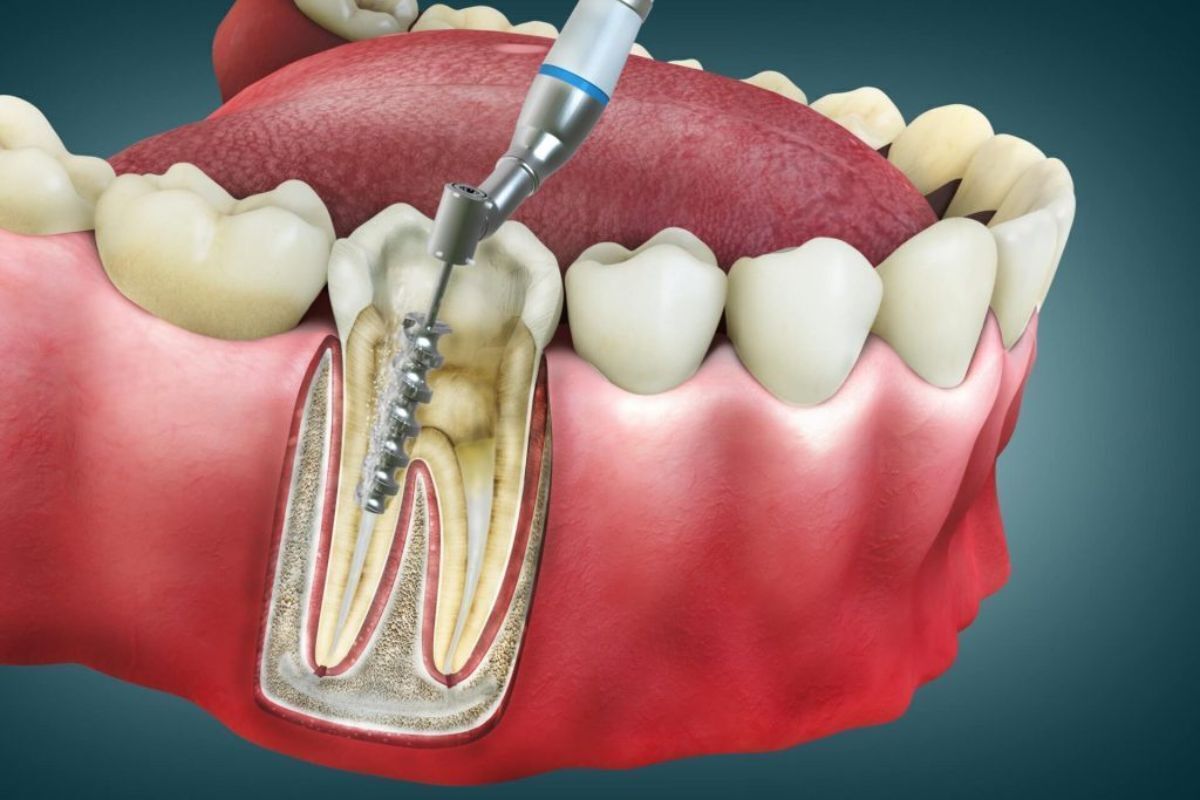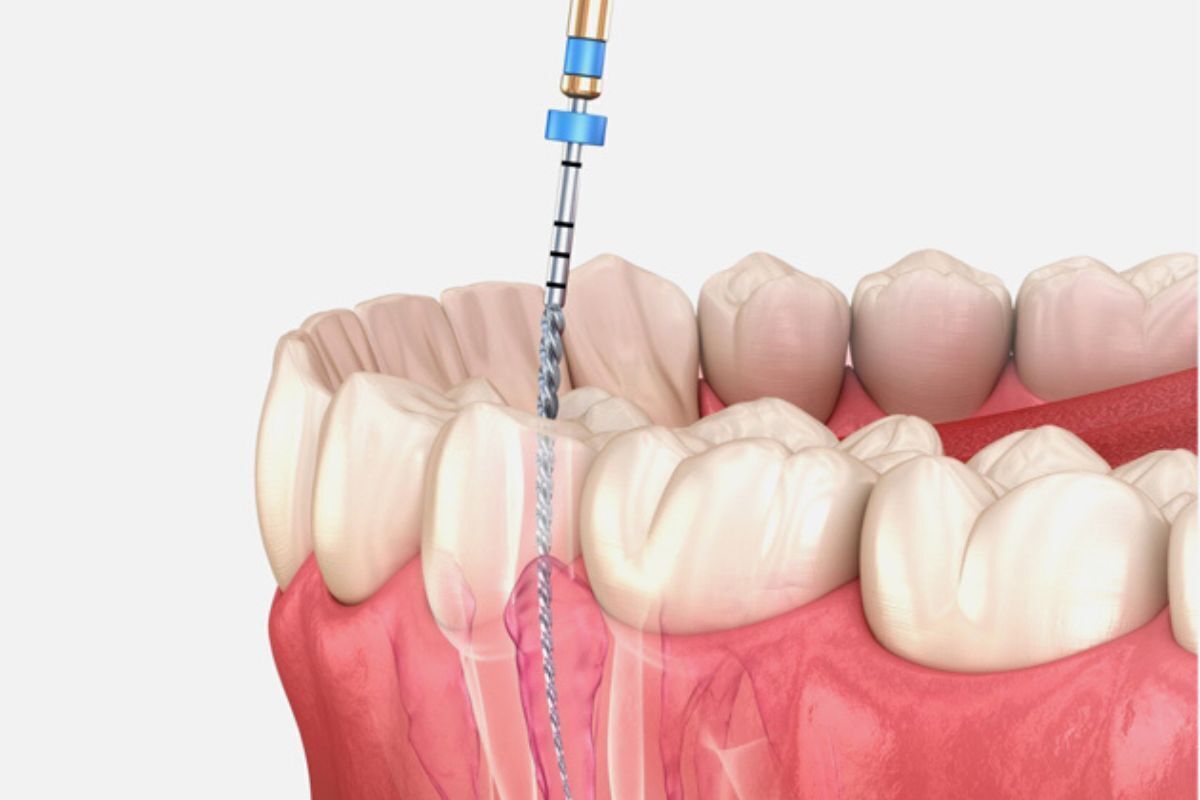

Let’s be honest. Few dental procedures carry as much fear as a root canal. The moment you hear it, your mind may jump to pain, long appointments, or stories you have heard from others. But most of those fears are built on outdated information and exaggeration.
Today, root canal therapy in Lenexa is a precise, comfortable procedure that helps to relieve pain, not cause it. Modern techniques and anesthesia have completely changed the experience. What many patients expect to be stressful often turns out to feel similar to a routine filling. The real issue is not the treatment itself. It is the myths that surround it. In this blog, we will break down the most common misconceptions and replace them with clear, factual insights so you can make confident decisions about your oral health.
Myth #1: It’s An Extremely Painful Procedure
- The Reality: The procedure relieves pain and doesn’t create it.
The discomfort people associate with this work is actually caused by the infection or inflamed nerve before the appointment, not during it. Modern anesthesia ensures the area is completely numb before any work begins. Most patients are genuinely surprised by how manageable it feels and compare it to a standard filling. The severe toothache from an abscessed or inflamed tooth nerve is what truly hurts. This procedure is specifically planned to end it.
Myth #2: Extracting The Tooth Is The Better Option
- The Reality: Preserving your natural tooth is almost always the smarter long-term choice.
It’s tempting to think that removal solves everything, but losing a natural tooth sets off a chain reaction. Neighboring teeth begin to drift into the empty space. The jawbone beneath gradually loses density without a root to stimulate it. Chewing becomes unbalanced. Over time, the surrounding structure weakens. Root canal therapy in Lenexa to save a severely decayed or infected tooth consistently outperforms extraction in terms of long-term function and jaw health. A properly restored tooth can last a lifetime.
Myth #3: Recovery Takes A Long Time
- The Reality: Most people return to their normal routine within a day or two.
Lenexa families lead full lives, weekend mornings at Sar-Ko-Par Trails Park, spring festivals at Town Center, and busy fall schedules. In this bustle, you must be relieved to know that recovery rarely interferes with any of it. Some mild tenderness following the appointment is normal and typically managed with standard over-the-counter options. Post-endodontic healing and sensitivity are both significantly more manageable than most people expect. Extended downtime is the exception, not the rule.
Myth #4: You Only Need It If The Pain Is Severe
- The Reality: Infections don’t always announce themselves loudly, and waiting makes things worse.
This is one of the more dangerous misconceptions. An infected or inflamed nerve can present as a dull ache, mild temperature sensitivity, or barely noticeable gum tenderness. Sometimes there are no obvious symptoms at all, even as the problem quietly advances. Warning signs of tooth nerve damage, like prolonged sensitivity to hot or cold, slight darkening of a tooth, or a small bump on the gum near a specific spot, require prompt attention. By the time pain becomes unbearable, the situation is often more complex and harder to address.
Myth #5: It Causes Illness In Other Parts Of The Body
- The Reality: This claim is based on thoroughly discredited research, and the opposite is actually true.
This misconception stems from a flawed early study that has been repeatedly debunked by modern science. What research consistently shows is that leaving an untreated abscess creates a real risk. Bacteria from an active infection can spread to surrounding tissue and, in rare cases, beyond the jaw entirely. Addressing the source of infection is the protective choice, not the risky one.
Myth #6: The Results Don’t Last
- The Reality: With proper restoration, a treated tooth can function normally for decades.
Success rates are consistently high. Once root surgery is complete and the tooth is protected with a high-quality crown, it can function like a natural tooth for the rest of your life. Outcomes tend to fall short when follow-up restoration is skipped, leaving the cleaned tooth vulnerable to fracture. The procedure itself does its job reliably. Committing to the crown is what makes the result stick.
Don’t Let Myths Delay Relief
Delaying a root therapy due to fear or misinformation can allow a manageable issue to become complex over time. Modern endodontic care at Lenexa Smiles and Braces is precise, efficient, and focused on patient comfort at every stage. The goal is not only to eliminate infection but to preserve your natural tooth and restore full function. Choosing root canal therapy in Lenexa is a clinically proven step toward long-term oral health and stability. With early intervention, most cases are straightforward and highly successful. If you are experiencing symptoms or have been advised to consider treatment, we are here to help! Schedule your appointment today and move forward with clarity, comfort, and confidence.
Frequently Asked Questions (FAQs)
Can a root canal fail years later, even if it felt fine initially?
Yes, delayed failure can occur due to new decay, cracks, or incomplete sealing. Regular checkups help detect subtle changes early before symptoms return or complications develop.
Why does a tooth sometimes feel sore days after the procedure?
Mild soreness is often due to inflammation in surrounding tissues, not the tooth itself. This usually resolves within a few days as the area heals and stabilizes.
Do you always need a crown after an endodontic treatment?
Not always, but it is often recommended for back teeth that handle more pressure. A crown protects the structure from fractures and helps restore full function over the long term.
What are the signs that you might need a root canal instead of a filling?
Persistent sensitivity to heat, lingering discomfort, and pressure pain often indicate deeper nerve involvement. These symptoms suggest the issue extends beyond what a filling can resolve.
Can antibiotics replace the need for a root therapy?
Antibiotics may temporarily reduce infection, but cannot remove infected tissue inside the tooth. Without proper intervention, the problem usually returns and may worsen over time.