Ever notice your jaw feeling tight after a stressful day? Maybe you wake up with a sore jaw, reach for another cup of coffee during a busy afternoon, or skip flossing because you’re simply too tired. These little moments may seem harmless, but over time, they can take a toll on your oral health.
Your daily routine affects more than your energy and mood. The way you manage stress, what you eat and drink, and how consistently you care for your mouth can influence the health of your teeth and gums. The good news is that small changes can make a meaningful difference.
For families and working professionals in Lenexa, understanding these connections can help prevent common dental concerns. Visiting a trusted dentist lenexa residents can turn to for routine care also makes it easier to identify problems early and get guidance tailored to your needs.
How Does Stress Affect Your Teeth and Gums?
Stress does not always show up as headaches or sleepless nights. Sometimes, your mouth is where the effects become noticeable.
When you’re dealing with work deadlines, family responsibilities, or everyday pressures, you may develop habits that put extra strain on your teeth and gums.
Here are some common ways stress can affect your oral health.
Teeth Grinding and Jaw Clenching
Do you catch yourself clenching your teeth while driving, working at your desk, or concentrating on something difficult?
This habit, known as bruxism, can happen during the day or while you’re asleep.
Repeated grinding and clenching may lead to:
- Worn-down tooth surfaces
- Jaw soreness and stiffness
- Morning headaches
- Increased tooth sensitivity
- Cracked or damaged teeth
If you regularly wake up with jaw discomfort, mention it during your next dental visit. A custom night guard may help protect your teeth if grinding is contributing to the problem.
Stress and Gum Health
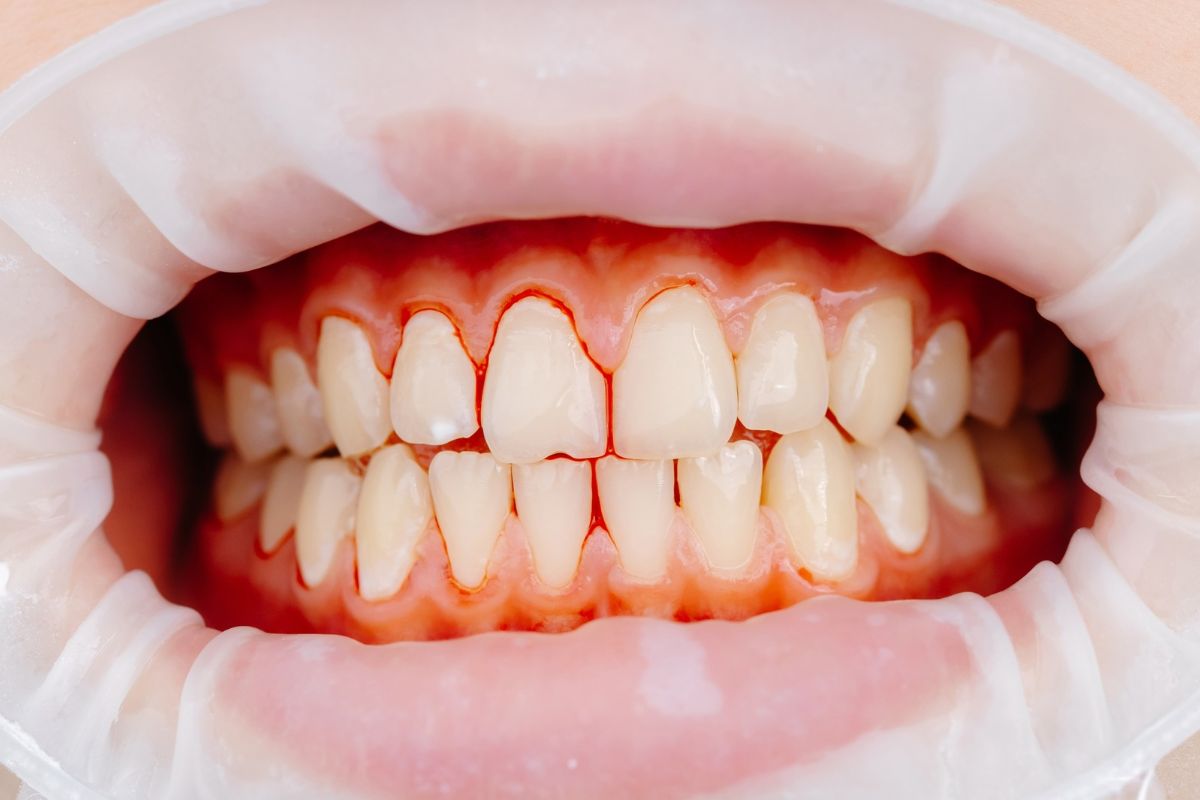
Long-term stress can affect the body’s immune response and make it harder to maintain healthy habits. This may contribute to gum inflammation, especially when plaque is not removed consistently.
Watch for signs such as:
- Red or swollen gums
- Bleeding while brushing or flossing
- Persistent bad breath
- Gum tenderness
These symptoms should not be ignored. Professional evaluation can help determine whether gum disease or another concern is developing.
Everyday Habits That Can Damage Your Oral Health
Stress is only part of the picture. Some everyday routines can gradually affect your teeth and gums without you realizing it.
Frequent Coffee and Sugary Drinks
A morning coffee may be part of your daily routine, especially before heading to work or dropping the kids off at school.
However, frequent exposure to coffee, sweetened beverages, soda, and energy drinks can create problems.
- Sugary drinks feed cavity-causing bacteria.
- Acidic beverages can weaken tooth enamel.
- Coffee can contribute to surface staining.
- Sipping throughout the day increases how often teeth are exposed to acids and sugars.
A simple change: Drink water between beverages, limit added sugar, and avoid slowly sipping acidic drinks throughout the day.
Skipping Brushing and Flossing
After a long day, brushing before bed can feel like another chore. Skipping it occasionally may not seem like a big deal, but making it a regular habit allows plaque to accumulate.
For better daily care:
- Brush twice daily with fluoride toothpaste.
- Floss once a day to clean between teeth.
- Replace your toothbrush when the bristles become worn.
- Clean your tongue to help reduce odor-causing bacteria.
- Avoid going to bed without brushing.
Consistency matters more than having an elaborate routine.
Snacking Throughout the Day
Grabbing crackers, chips, cookies, or candy between meals can expose your teeth to frequent acid attacks.
Instead of constantly snacking, try choosing balanced meals and limiting how often you eat sugary or starchy foods.
Good snack choices include:
- Fresh apples and pears
- Plain yogurt
- Cheese
- Crunchy vegetables
- Nuts, when appropriate for your dietary needs
Drinking water after meals and snacks can also help rinse away food particles.
Using Your Teeth as Tools
Opening packages, biting fingernails, chewing ice, or tearing plastic wrappers with your teeth may seem convenient.
However, these habits can chip enamel, damage fillings, and even crack teeth.
Keep scissors, bottle openers, and other tools nearby instead. Your teeth are designed for eating, not opening packages!
Simple Ways to Protect Your Teeth During a Busy Week
Living in Lenexa often means balancing work, school schedules, errands, family activities, and everything in between. Oral care can easily slip down your priority list.
Try these practical changes to make healthy habits easier:
- Create a morning routine: Brush after breakfast and before starting your day.
- Keep floss visible: Place it near your toothbrush as a reminder.
- Carry a water bottle: Stay hydrated throughout work, school, and errands.
- Take short stress breaks: Relax your jaw, lower your shoulders, and take a few slow breaths.
- Choose tooth-friendly snacks: Keep healthier options available at home and work.
- Schedule regular checkups: Do not wait for pain before getting your teeth and gums evaluated.
If you spend long hours commuting around Lenexa, Overland Park, or nearby communities, keeping a small oral-care kit in your bag or car can help you stay consistent when you’re away from home.
When Should You Seek Professional Dental Care?
Some dental concerns develop gradually, while others become noticeable quite suddenly.
Consider scheduling an evaluation if you experience:
- Frequent jaw pain or morning headaches
- Bleeding or swollen gums
- Persistent bad breath
- Tooth sensitivity that does not improve
- Visible wear, chips, or cracks
- Pain when chewing
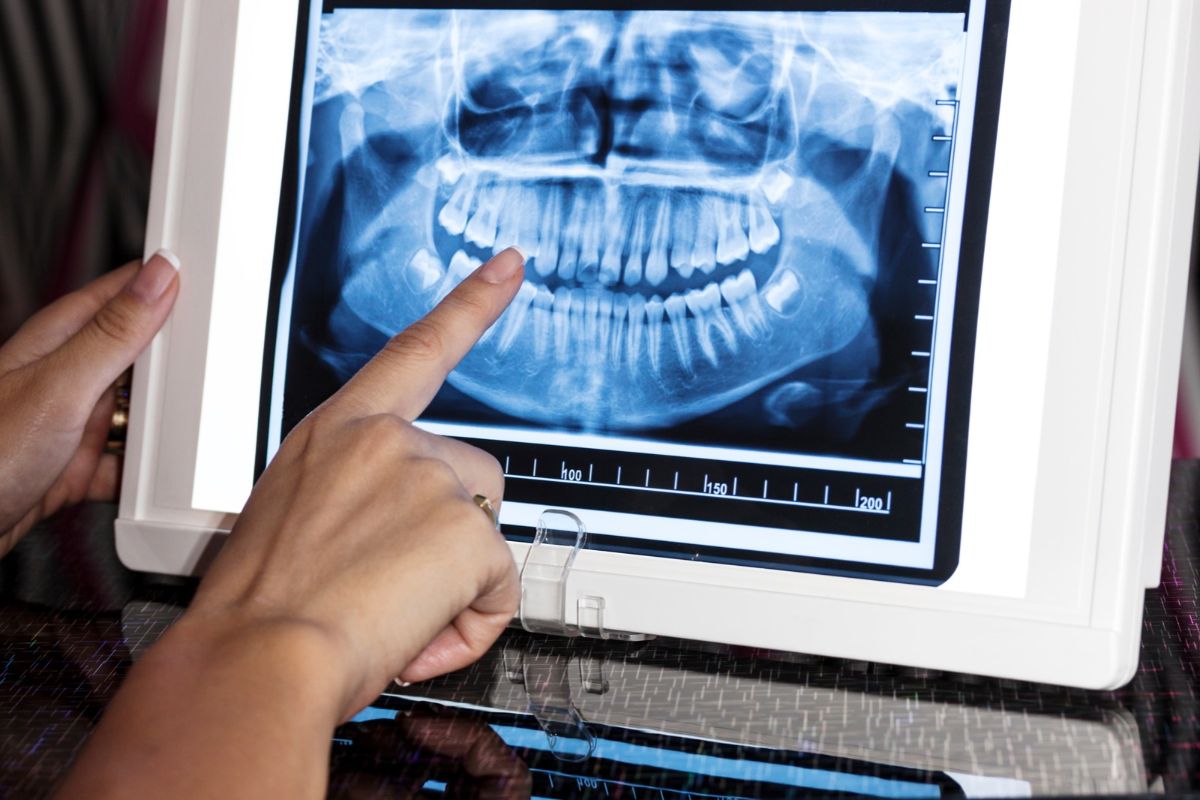
A dental professional can examine your mouth, identify possible causes, and recommend appropriate treatment.
Regular visits are also important even when nothing hurts. Cavities and early gum disease do not always cause noticeable symptoms.
Frequently Asked Questions
Can stress actually cause teeth grinding?
Yes. Stress and anxiety can contribute to teeth grinding and jaw clenching, both during sleep and while awake. Persistent grinding can wear down enamel and cause jaw discomfort.
Can stress make gum problems worse?
Stress may affect immune function and daily oral-care habits, potentially making existing gum inflammation harder to manage. Consistent brushing, flossing, and professional care remain important.
Does drinking coffee every day damage teeth?
Coffee itself does not automatically damage teeth, but frequent consumption, especially with added sugar, can contribute to staining and increase cavity risk. Its acidity may also contribute to enamel erosion.
How can I protect my teeth if I grind them at night?
A dental evaluation can help determine whether you have signs of grinding. Depending on your needs, a custom-fitted night guard may help protect your teeth from excessive pressure.
How often should I schedule a dental checkup?
Many people benefit from routine dental visits every six months, but the ideal schedule depends on individual oral health, gum condition, and risk factors. Your dental professional can recommend an appropriate interval.
Small Daily Changes Can Make a Big Difference
Your teeth and gums are affected by more than what happens during a dental appointment. Stress, food choices, sleep habits, and everyday routines all play a role in maintaining a healthy mouth.
You do not have to change everything overnight. Start with a better brushing routine, make time to relax your jaw, drink more water, and pay attention to changes in your mouth.
If you’re ready to give your oral health more attention, Lenexa Smiles and Braces is here to help. Book your appointment today for a dental checkup and personalized guidance to keep your teeth and gums healthy through every stage of life.