Getting a dental implant is an important step toward restoring your ability to chew comfortably and feel confident about your teeth. But once the procedure is over, a common question comes up: How long will recovery take, and what should I expect along the way?
The good news is that most people can manage the initial healing period with a little rest, proper oral care, and guidance from their dental team. Knowing what is normal during recovery can help you feel more prepared and recognize when something needs attention.
If you are considering dental implants lenexa, understanding the healing process can help you plan your work schedule, meals, and everyday activities with greater confidence.
Understanding the Dental Implant Recovery Process
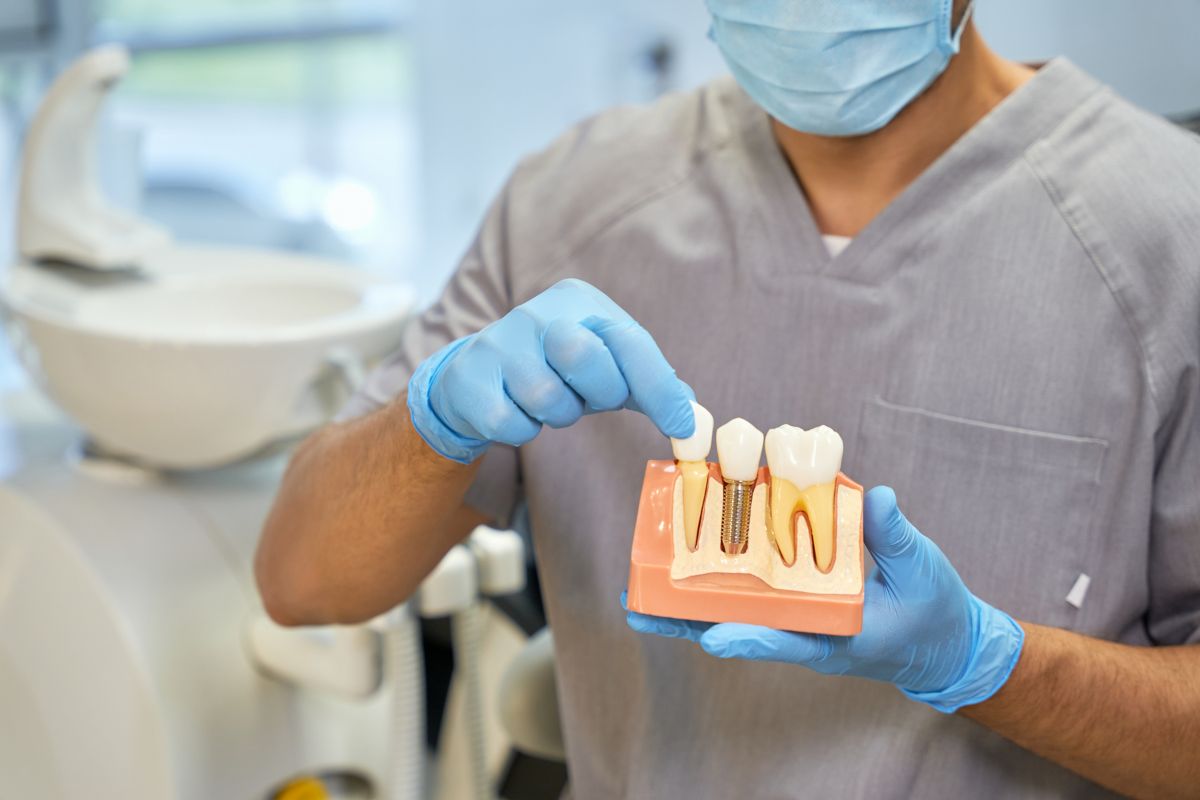
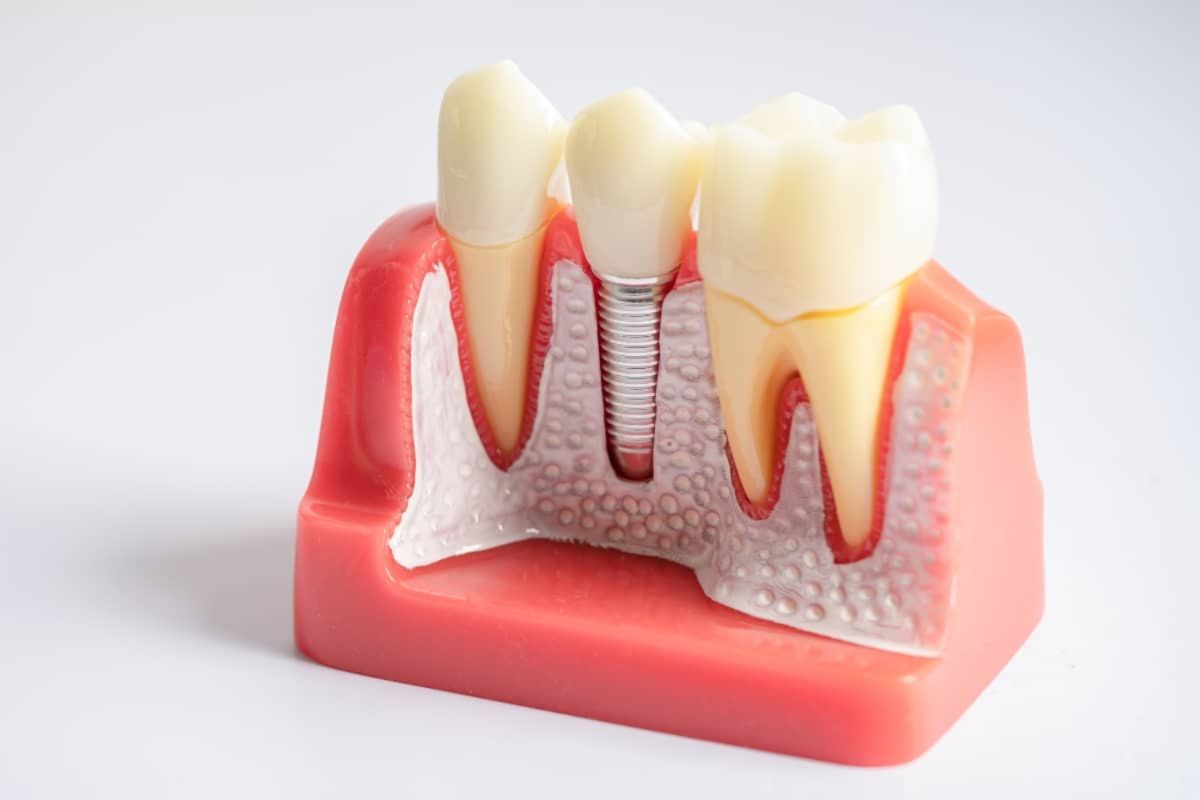
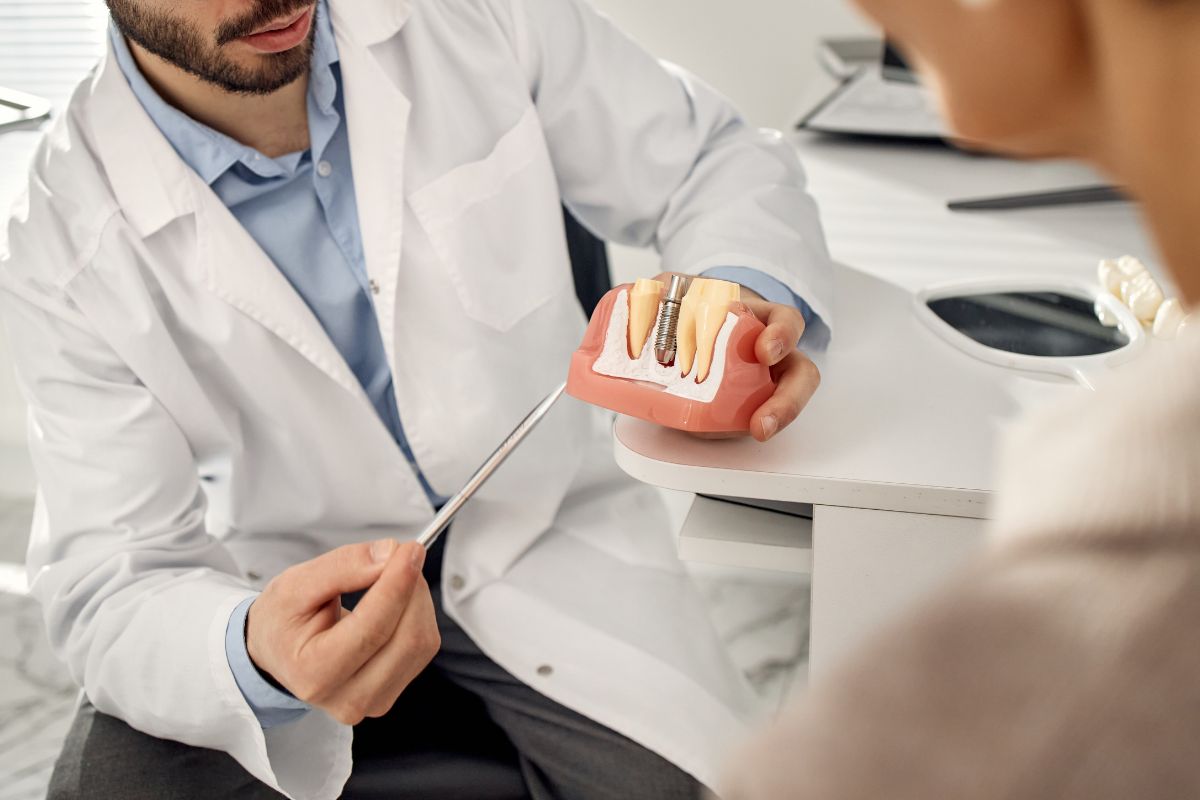
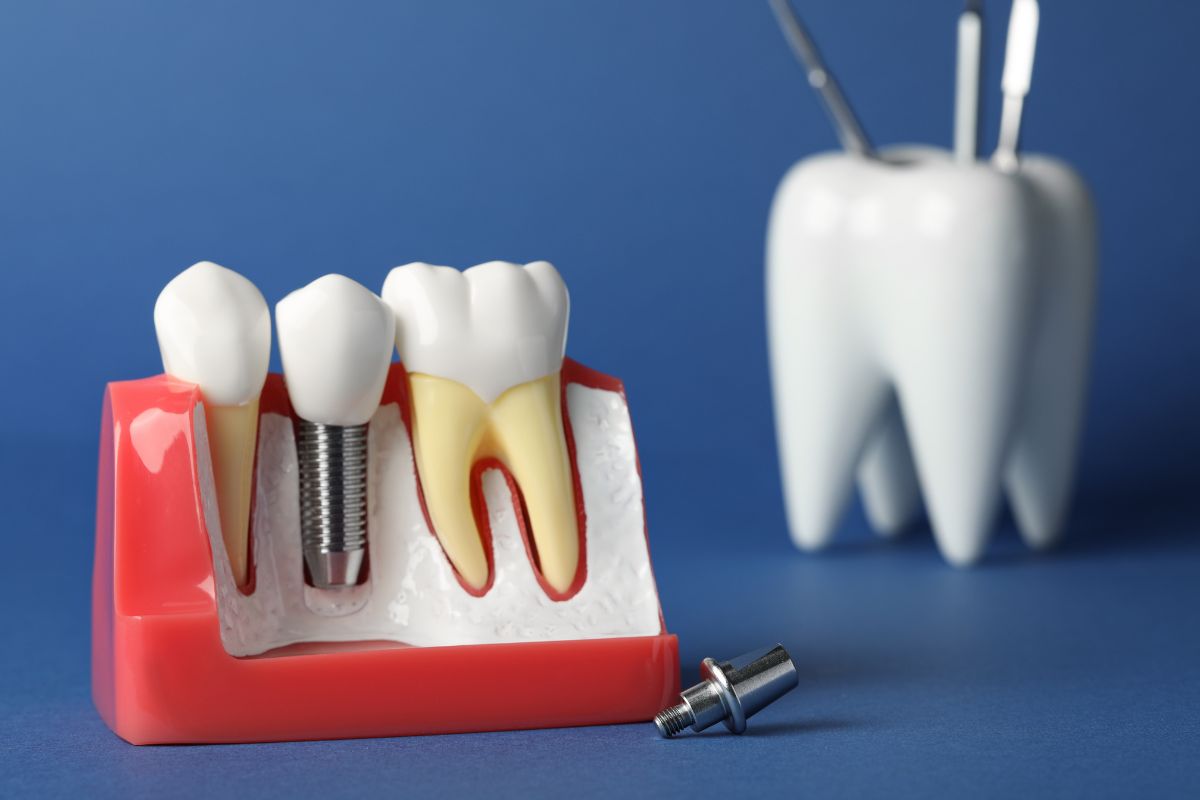
Dental implants replace missing tooth roots with small posts, usually made of titanium, that are placed in the jawbone. Over time, the bone bonds with the implant through a process called osseointegration. Once the implant is sufficiently stable, it can support a crown or another suitable restoration.
Recovery involves two main stages:
- Initial healing: Your gums begin to heal, and swelling and tenderness gradually improve.
- Bone integration: The jawbone gradually bonds with the implant, creating a stable foundation for the final restoration.
The timeline varies from person to person. Your overall health, bone quality, the number of implants placed, and whether additional procedures were needed can all affect healing.
What to Expect During the First Few Weeks
The First Day: Rest and Protect the Surgical Area
The first day is all about allowing your body to begin healing. It is normal to experience some tenderness, mild bleeding, and swelling after the procedure.
Your dental team may recommend the following:
- Rest and avoid strenuous activity.
- Use a cold compress as directed to help manage swelling.
- Take prescribed or recommended medications according to your provider’s instructions.
- Choose soft, cool or lukewarm foods that do not require much chewing.
- Avoid smoking, using straws, and disturbing the surgical site if instructed.
If you have gauze over the surgical area, follow the instructions provided for changing or removing it. Avoid rinsing vigorously during the early healing period unless your provider advises otherwise.
Days Two and Three: Manage Swelling and Tenderness
Swelling and discomfort can become more noticeable during the first few days. For many patients, swelling reaches its peak around this time before gradually improving.
You may find it helpful to eat foods such as:
- Scrambled eggs
- Yogurt
- Mashed potatoes
- Oatmeal that has cooled to a comfortable temperature
- Soft pasta
- Smooth soups that are not hot
Stay hydrated and follow your provider’s instructions for cleaning your mouth. Avoid chewing directly on the surgical area, especially if your dental team has advised you to protect it.
A helpful tip: Plan easy meals before your procedure. Having soft foods ready at home can make the first few days much less stressful.
Days Four Through Seven: Return to Your Routine Gradually
During the remainder of the first week, discomfort and swelling should generally begin to settle. You may feel ready to return to work or your usual activities, depending on the complexity of your procedure and how you feel.
Keep these recovery habits in mind:
- Brush carefully, avoiding direct irritation of the surgical site.
- Clean your other teeth as instructed.
- Use any prescribed rinse according to your provider’s directions.
- Continue eating soft foods if chewing remains uncomfortable.
- Avoid heavy exercise until your dental team says it is safe.
Do not assume the implant is fully healed just because you feel better. The tissues may be improving while the bone still needs considerable time to bond with the implant.
Week Two: Focus on Steady Healing
By the second week, many patients notice that everyday activities feel easier. Gum tenderness should be improving, although the timing depends on the procedure and individual healing response.
You may gradually return to a wider range of foods if your provider approves. Continue to avoid hard, crunchy, sticky, or chewy foods that could put pressure on the implant site.
Your dental team may also arrange a follow-up visit to check the healing area, review your oral hygiene routine, or remove stitches if needed.
If pain or swelling is getting worse instead of better, contact your provider rather than waiting for your next appointment.
Weeks Three and Four: Healing Continues Beneath the Surface
By this stage, the gums may look and feel much better. However, the implant is still undergoing important changes beneath the surface.
Bone integration commonly takes several months, and some patients need additional healing time before receiving their final crown. Others may qualify for a different treatment schedule based on their clinical circumstances.
Your provider will determine when the implant is ready for the next stage. Avoid testing it by chewing hard foods or applying unnecessary pressure.
How to Make Dental Implant Recovery Easier
A few thoughtful habits can support a smoother recovery.
- Follow your aftercare instructions: Your treatment plan is based on your procedure and individual needs.
- Choose nourishing foods: Soft foods with protein and other essential nutrients can help support healing.
- Keep your mouth clean: Follow your provider’s instructions for brushing and rinsing.
- Avoid tobacco: Smoking can interfere with healing and increase the risk of implant complications.
- Attend follow-up visits: Your dental team can monitor healing and address concerns early.
- Give yourself time: Avoid rushing back into strenuous activities before you are ready.
For people living in Lenexa, it can help to plan around work, school drop-offs, family commitments, and everyday errands. Consider arranging transportation if sedation is used and keeping your schedule flexible for the first few days.
When Should You Call Your Dental Provider?
Some soreness and swelling are expected after implant surgery, but certain symptoms deserve prompt attention.
Contact your dental provider if you experience:
- Pain or swelling that becomes worse rather than gradually improving
- Persistent or heavy bleeding
- Fever or pus around the surgical site
- Increasing redness or tenderness
- A feeling that the implant or temporary restoration is loose
Seek emergency medical care for difficulty breathing or swallowing, or rapidly spreading swelling that affects these functions.
Frequently Asked Questions
How long does dental implant recovery take?
Initial gum healing often takes a few weeks, while bonding between the implant and jawbone generally takes several months. Your timeline depends on your health, bone quality, and treatment plan.
Is pain normal after dental implant surgery?
Some discomfort, tenderness, and swelling are common. Symptoms should generally begin improving after the first few days. Contact your provider if pain becomes severe or progressively worsens.
What can I eat after getting a dental implant?
Soft foods such as eggs, yogurt, mashed potatoes, and cooled soups are often suitable initially. Follow your provider’s guidance about when to resume firmer foods.
When can I return to work after implant surgery?
Some people return to work within a day or two, while others need more time. The appropriate schedule depends on the complexity of the procedure, the type of work you do, and whether sedation was used.
When can I get my permanent crown?
The permanent crown is placed when your provider determines that the implant has healed sufficiently and is stable. This often takes several months, although the timing varies by patient and procedure.
Take the Next Step Toward a Healthier, More Comfortable Smile
Healing after implant surgery is a gradual process, but knowing what to expect can make the experience feel much more manageable. By following your aftercare instructions, choosing suitable foods, and attending follow-up visits, you can give your body the support it needs throughout recovery.
If you are exploring tooth replacement or have questions about Dental Implant Recovery, the team at Lenexa Smiles and Braces can help you understand your options and the care involved. Book an appointment today to discuss your needs and take the next step toward restoring your oral health.