Dental implants can make everyday activities like eating, speaking, and laughing feel more comfortable again. But getting the treatment is only part of the journey. The way you care for your teeth and gums at home plays an important role in keeping your new teeth healthy for years to come.
The good news is that caring for implants does not have to be complicated. A few consistent habits, regular dental checkups, and attention to changes in your mouth can help protect your investment and support your long-term oral health.
For people considering or already living with dental implants Lenexa, understanding proper home care can make a real difference in maintaining healthy gums and supporting lasting results.
Why Daily Care Matters for Dental Implants
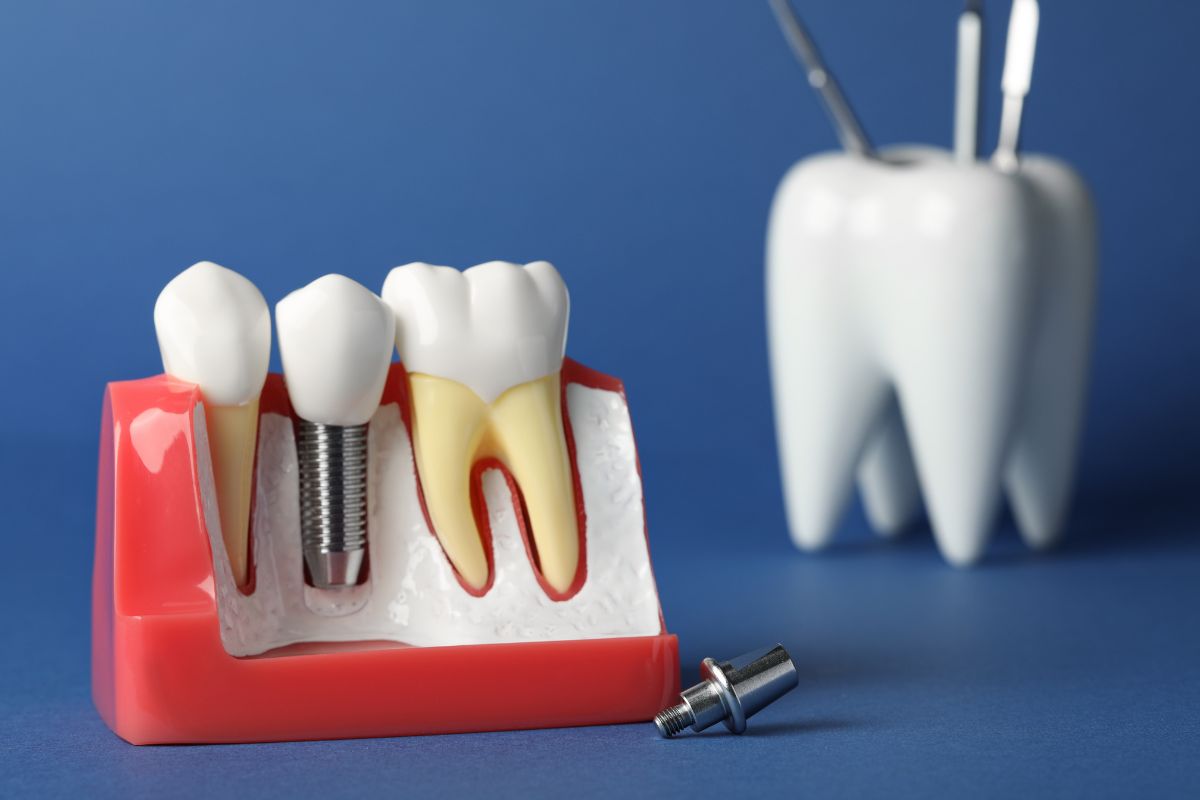
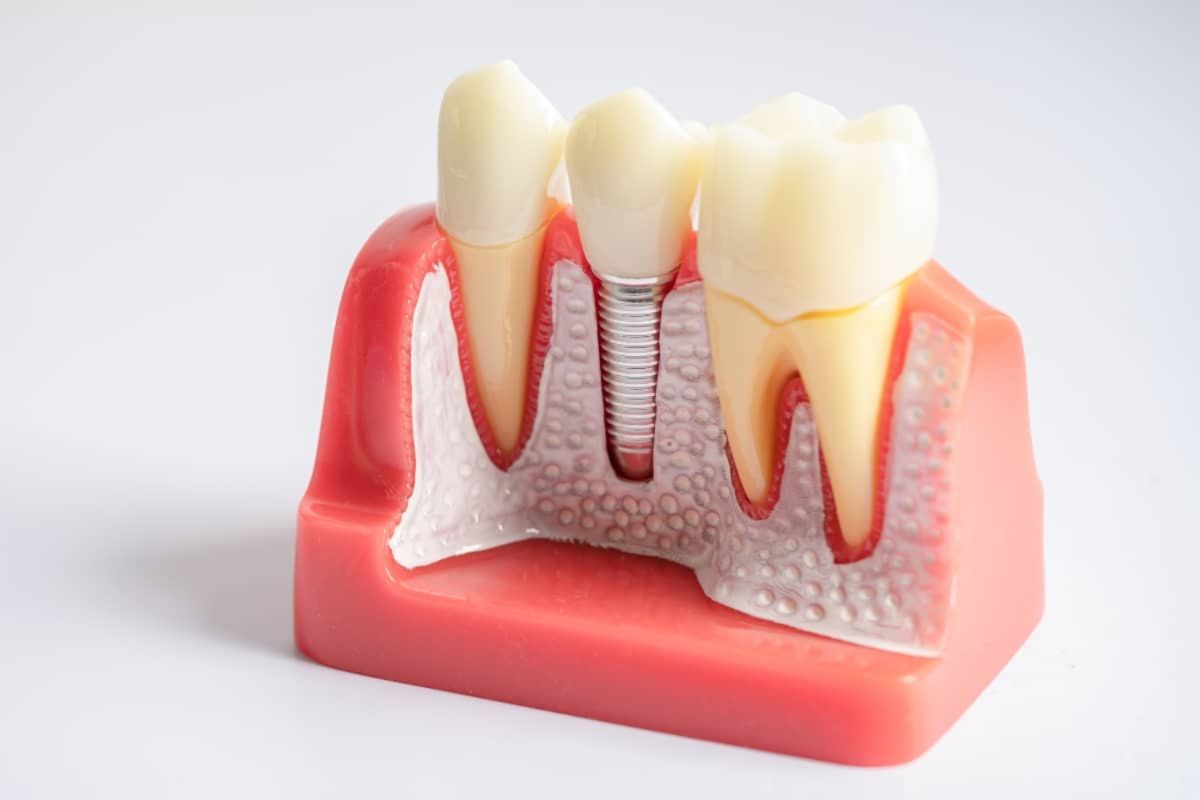
Although dental implants are made from durable materials, the gums and bone supporting them still need attention. Plaque can accumulate around the implant, just as it does around natural teeth. Without proper cleaning, bacteria may irritate the surrounding gums and contribute to a condition called peri-implantitis, which can damage the supporting bone.
A consistent oral hygiene routine helps you:
- Remove plaque and food particles.
- Keep the gums around your implants healthy.
- Reduce the risk of inflammation and infection.
- Protect nearby natural teeth.
- Identify potential problems before they become more serious.
Remember, an implant cannot develop a cavity, but the tissues surrounding it can still become unhealthy. That is why daily maintenance matters.
Build a Simple Daily Cleaning Routine
You do not need an elaborate collection of oral care products. Focus on cleaning thoroughly and gently every day.
Brush Gently Twice a Day
Use a soft-bristled toothbrush and fluoride toothpaste to clean your natural teeth and the areas around your implants. An electric toothbrush can also be helpful if it allows you to reach difficult areas comfortably.
Pay particular attention to the gumline and the point where the implant restoration meets the gums. Avoid aggressive scrubbing, which can irritate soft tissues.
Clean Between Your Teeth Every Day
Brushing alone cannot reach every space around your implants. Use dental floss designed for implants, an appropriate interdental brush, or another cleaning aid recommended by your dental provider.
If you have a bridge supported by implants, ask how to clean underneath it. Specialized floss or a water flosser may help remove debris from areas that are difficult to reach.
Consider a Water Flosser
A water flosser can be a useful addition to your routine, particularly if you have several implants or an implant-supported restoration.
It directs a stream of water around the teeth and gums to help remove loose debris. Follow the manufacturer’s instructions and ask your dental team about an appropriate pressure setting, especially during healing.
A water flosser should complement careful brushing and any other recommended cleaning methods.
What Should You Eat After Implant Treatment?
Your diet matters, especially during the early healing period. Following your provider’s instructions can help protect the surgical site while the implant integrates with the surrounding bone.
During early healing, you may be advised to choose soft foods such as:
- Scrambled eggs
- Yogurt
- Mashed potatoes
- Oatmeal that has cooled
- Soft-cooked vegetables
- Smooth soups that are not too hot
Avoid hard, crunchy, sticky, or very chewy foods until your dental provider says they are safe. Do not chew directly over the surgical site if you have been instructed to protect it.
As healing progresses, your provider can guide you on when to return to your usual diet. Even after recovery, avoid habits such as chewing ice or biting hard objects that could damage a restoration.
Protect Your Implants During Recovery
Dental implant recovery varies from person to person. The number of implants placed, your overall health, and whether additional procedures were needed can all affect healing time.
To support recovery:
- Follow all post-treatment instructions.
- Take prescribed medications as directed.
- Avoid smoking and tobacco products, which can interfere with healing.
- Do not disturb the surgical area with your fingers or tongue.
- Keep follow-up appointments.
- Contact your provider if pain or swelling worsens rather than improves.
Do not rush back into your regular cleaning routine around a fresh surgical site without guidance. Your provider can explain when and how to clean the area safely.
Watch for Changes Around Your Implants
Healthy implants should feel comfortable during everyday activities. Pay attention to changes rather than assuming discomfort is part of the process.
Contact your dental provider if you notice:
- Persistent redness or swelling around an implant.
- Bleeding that continues during cleaning.
- Pus or an unpleasant taste near the implant.
- Pain or tenderness that does not improve.
- A loose implant-supported crown, bridge, or denture.
- Difficulty chewing that develops unexpectedly.
A loose restoration does not always mean the implant itself has failed, but it should be evaluated promptly. If you develop severe swelling, fever, or rapidly worsening pain, seek urgent professional guidance.
Keep Up With Regular Dental Visits
Good home care is essential, but it cannot replace professional maintenance. During routine visits, your dental team can examine the gums, assess the stability of your restoration, and check for signs of inflammation or bone changes.
Your recommended visit schedule will depend on your oral health, medical history, and implant needs. Some patients require more frequent maintenance than others.
For Lenexa residents balancing work, family responsibilities, and everyday errands, scheduling these visits ahead of time can help prevent routine care from being overlooked.
Frequently Asked Questions
How long can dental implants last with proper care?
Dental implants can last for many years, and some last for decades. Their longevity depends on factors such as oral hygiene, gum health, smoking habits, overall health, and regular professional maintenance. Crowns and other restorations may need repair or replacement over time.
Can I brush my implants with regular toothpaste?
In most cases, fluoride toothpaste and a soft-bristled toothbrush are appropriate. Avoid highly abrasive products unless your dental provider recommends them, particularly if you have specialized implant restorations.
Is bleeding around an implant normal?
Persistent bleeding should not be ignored. It can indicate gum inflammation or another issue that needs attention. Contact your dental provider if bleeding continues or occurs alongside swelling, pain, or other changes.
What foods should I avoid after implant surgery?
During early healing, avoid hard, crunchy, sticky, and very chewy foods, along with anything else your provider advises against. Choose soft foods and gradually return to your regular diet according to your treatment instructions.
How often should I have my implants checked?
Your dental provider will recommend a schedule based on your individual needs. Regular checkups and professional cleanings help monitor the implant, restoration, and surrounding tissues.
Make Your Implant Care a Lasting Habit
A healthy implant starts with good treatment, but its long-term success also depends on the care you provide every day. Gentle brushing, thorough cleaning between your teeth, sensible food choices, and regular professional visits can help protect your oral health for years to come.
If you have questions about maintaining your implants or are considering treatment, Lenexa Smiles and Braces can help you understand your options and develop a care plan that fits your needs. Schedule an appointment today to take the next step toward healthier, more confident everyday living.